

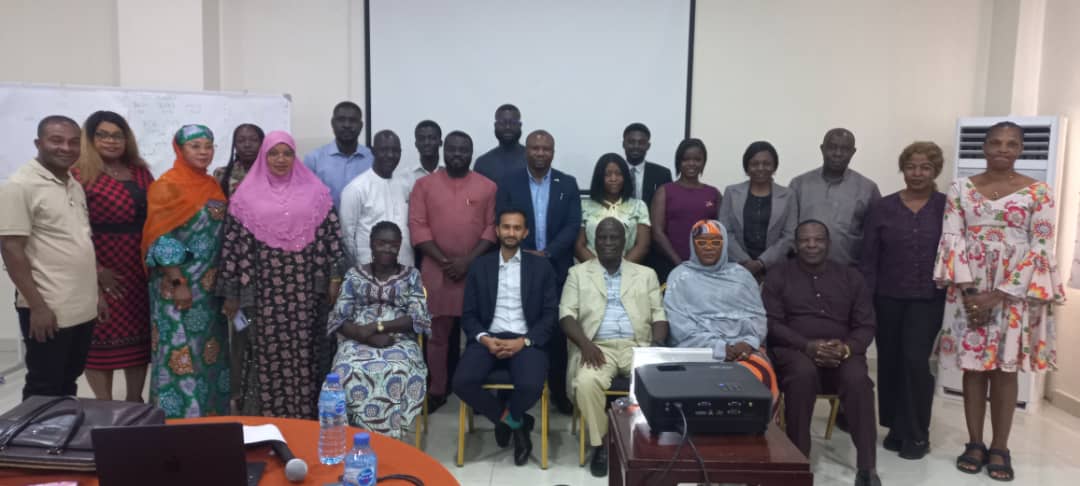
ANEEJ harps on using recovered stolen assets to improve lives, reduce poverty,
By:Femi Mustapha
The Executive Director of Africa Network for Environment and Economic Justice ANEEJ Rev David Ugolor has said the recovery of stolen assets is only one step in the long journey toward justice and development, saying the real impact lies in how these assets are effectively utilized to improve lives, reduce poverty, and strengthen trust in governance.
He asserted this in his welcome address during a Validation Meeting of ANEEJ’s Research Report on Assessing the Implementation of Key Global Forum on Asset Recovery (GFA Principles in Asset Return and Management in Nigeria. Held in Abuja on 18 March,2025
According to him, Nigeria has made significant strides in asset recovery, including landmark repatriations such as$322.5 million Abacha loot in 2017, allocated to social investment programs.
“$311.8 million recovered in 2020, earmarked for key infrastructure projects, additional funds retrieved from corrupt public officials.
He added that the major concern to Nigerians is assessing the level of compliance with GFAR principles in Nigeria’s asset return and management framework.
He surmised that given this, the Foreign, Commonwealth & Development Office (FCDO) Nigeria supported and funded his organization to conduct research Research on Assessing the Implementation of Key GFAR Principles in Asset Return and Management in Nigeria.
“This research, therefore, seeks to assess the level of compliance with GFAR principles in Nigeria’s asset return and management framework. Our goal is to provide evidence-based insights that will inform policy reforms and ensure greater public participation in the return, and utilization of recovered assets.”
He explained that the first objective of the research is to evaluate the implementation of GFAR principles in recent asset return agreements to Nigeria, focusing on transparency, accountability, inclusion of non-government stakeholders, and the return of funds to beneficiaries.
He disclosed that the second objective of the research was to identify gaps in the current asset recovery process in Nigeria and provide recommendations for improving future asset return agreements.
“During this period, ANEEJ worked with researchers and international experts to deliver on this task.
“In the course of our work, we engaged key stakeholders, including international development partners, government institutions, civil society organizations (CSOs), project beneficiaries, and the media, through consultation meetings, focus group discussion (FGD), field visits, and other activities to gather factual data and ensure the success of this research.
“Nigeria has been a significant recipient of returned assets, particularly through the tripartite agreements involving Nigeria, the repatriating country, and an international financial institution.
“GFAR principles emphasize transparency, accountability,
stakeholder inclusion, and the return of assets to their rightful
beneficiaries.
“These principles aim to ensure that recovered assets are managed effectively and benefit the citizens of the countries from which they were stolen.,
“Your feedback will be critical in firming up the report, which will be transmitted to FCDO and adopted as a working document for evidence-based advocacy in the fight against Illicit Financial Flows.
“As we deliberate on the findings of this research, I encourage open and constructive discussions that will refine our recommendations and strengthen the advocacy for a more transparent and accountable asset management system in Nigeria.
” The outcome of this meeting will not only validate our research but also serve as a guide for strategic engagements with policymakers and stakeholders in asset recovery.”He said
In his remarks, the Senior Programme Officer of CLEEN Foundation, Bernard Ekobay, Commended ANEEJ and FCDO Nigeria for the research, saying it will create awareness on the legacy projects that the recovered assets were used for.
He, however, advised Civil Society Organisations and other stakeholders to beam the searchlight on looted funds that are within the country.
According to him, there are more looted funds within the country and efforts must be put in place to recover such assets


