

PBC, FCDO moves to check governance, climate change challenges in Kaduna
By:Femi Mustapha
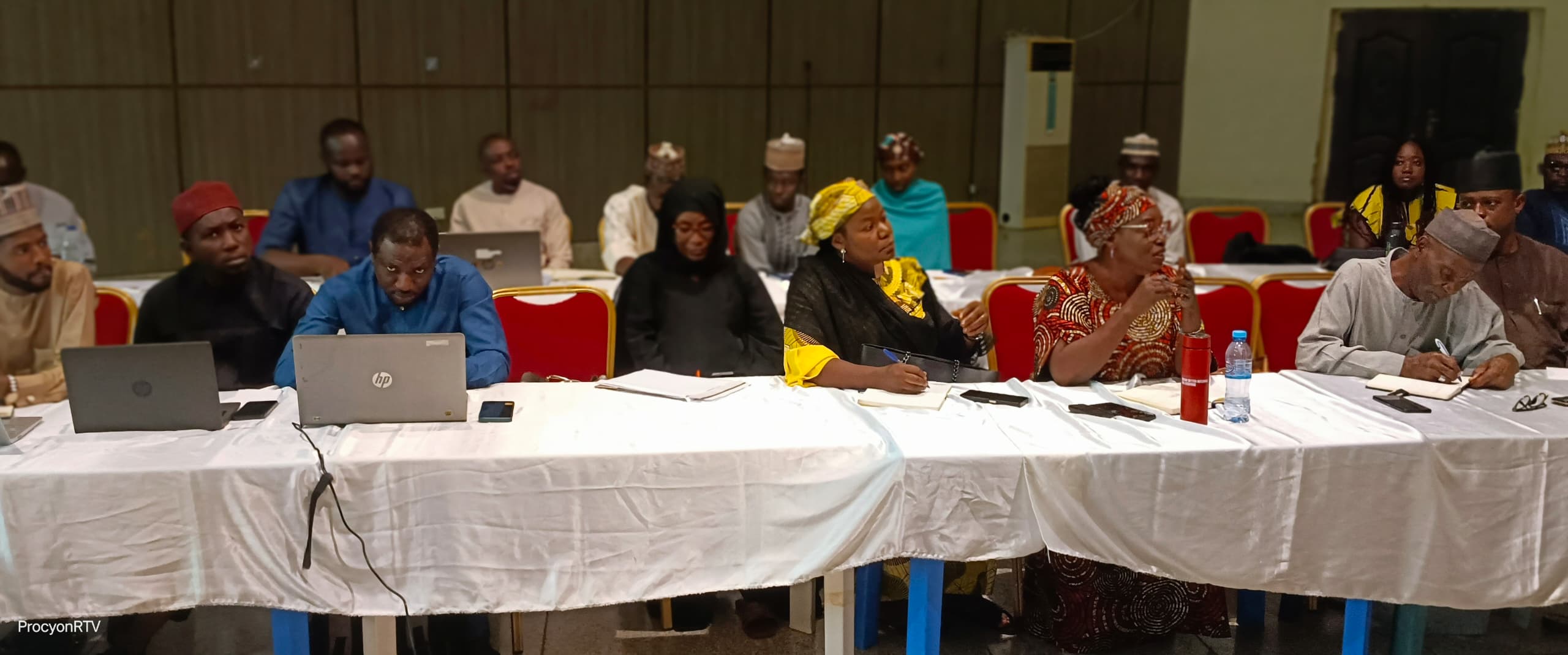
The Kaduna State Planning and Budget Commission PBC in collaboration with the United Kingdom – Foreign, Commonwealth Development Office (FCDO), on 26th May ,2025 gathered stakeholders working around good governance and climate change challenges for a 2-day Technical Session to kick off the Partnership for Agile Governance and Climate Engagement (PACE) program in Kaduna State.
Speaking during the presentation, the Issue-Based Partnership Facilitator of PACE Kaduna, Mr. Victor Awomazino Asciriba, said the 2-day Technical Session for the Whole of Society Issue-Based Workshop has a four-year duration accommodating all stakeholders.
He outlined the objectives, which include: facilitating a structured and inclusive stakeholder engagement process to ensure transparent and effective issue selection and prioritization.
“To identify and strengthen platforms/coalitions for effective citizens, state and non-state actors engagement and dialogue around key governance, service delivery issues, and people-centered performance.
“To diagnose key challenges hindering effective service delivery in governance and climate change issues through knowledge sharing and increased awareness.”
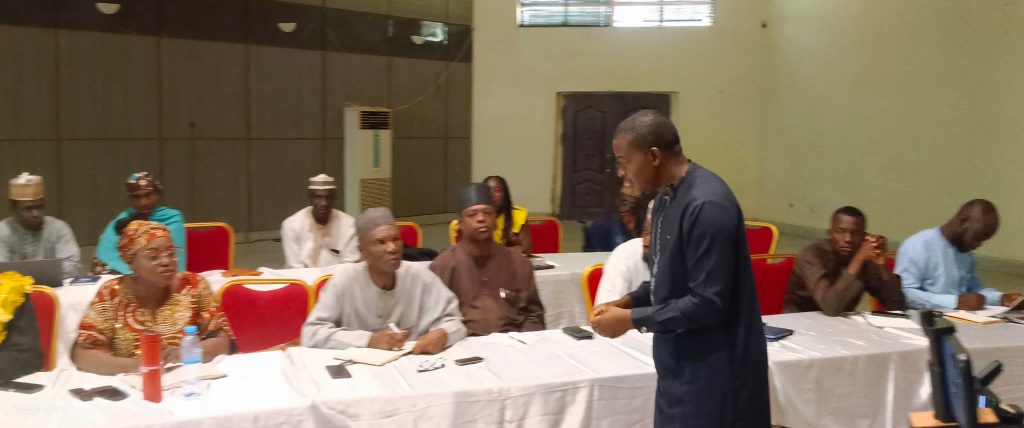
In his welcome address, Kaduna State Commissioner for Planning and Budget Commission (PBC) Hon. Mukhtar Ahmed Monrovia disclosed that the workshop, organized by the Planning and Budget Commission in collaboration with the FCDO PACE Programme, marks a pivotal moment in collective efforts to chart a new course for problem-solving.
The Commissioner was represented by the Director of Monitoring and Evaluation (M&E) of the Commission, Bashir Abubakar Ladan, added that the gathering is to harness a multi-stakeholder approach that brings together citizens, state and non-state actors to engage in meaningful dialogue, identify governance blockages, and address service delivery gaps.
According to him, by combining evidence, advocacy, citizen feedback, capacity building, sector expertise, and resource mobilization, the organizers aim to co-design strategies and strengthen platforms for impactful reforms.
The Commissioner urged all participants to share insights and contribute effectively to the discussions.
“Your expertise and perspectives are vital to building and sustaining coalitions that foster inclusive, transparent, and accountable governance.
“Let us seize this opportunity to collaboratively shape solutions that prioritize the needs of our communities and drive sustainable progress.”
Similarly, the Civil Society Co-chair of the Open Government Partnership (OGP) in Kaduna State, Mubarak Abdulganiyi, opined that the program aligns seamlessly with our vision for inclusive, transparent, and accountable governance, particularly in the face of mounting climate change challenges.
According to him, the Society Approach in Kaduna State is designed to foster inclusive participation by integrating voices from CSOs, community leaders, women, youth, persons with disabilities, and other marginalized groups into policy formulation and implementation processes.
He stressed that by bridging the gap between government and citizens, the approach enhances the legitimacy and effectiveness of governance, particularly in addressing climate-induced vulnerabilities that affect our most at-risk communities.
In her remarks, the Executive Director of Bridge That Gap Initiative, Gloria Bulus, said PACE is an FCDO-funded project that has been implemented by DAI but also has about six consortium partners supporting the program.
Gloria Bulus, who is also a consortium partner for the Partnership for Agile Governance and Climate Change Engagement (PACE), disclosed that the program generally is on climate change, which is 30% and 70% on governance.
According to her, the PACE program has one watchword, which is the whole of society, where everyone comes together to address issues of governance and climate change.
The executive director for Bridge That Gap Initiative explained that PACE is an FCDO-funded project that has been implemented by DAI but also has about six consortium partners supporting the program.
“So if we can identify issues that speak directly to the communities,
then that means we will be able to solve the burning problems
that communities are experiencing.”
Mr. Yusuf Goje from AgriCohort explained that PACE is building on these former programs that were here in Kaduna, where we had PERL, and before that, we had SAVI and SPAC.
Mr. Goje surmised that what PACE is doing is to further strengthen the governance systems, basically around policy and strategy, public financial management, to an extent, public service management, and monitoring and evaluation.
PACE, he observed, is coming with a bias for climate change because globally, that is a threat that is being faced by almost all countries.
“So the program is out to strengthen climate governance and even other critical areas that build resilience around mitigation and adaptation.” He said


