

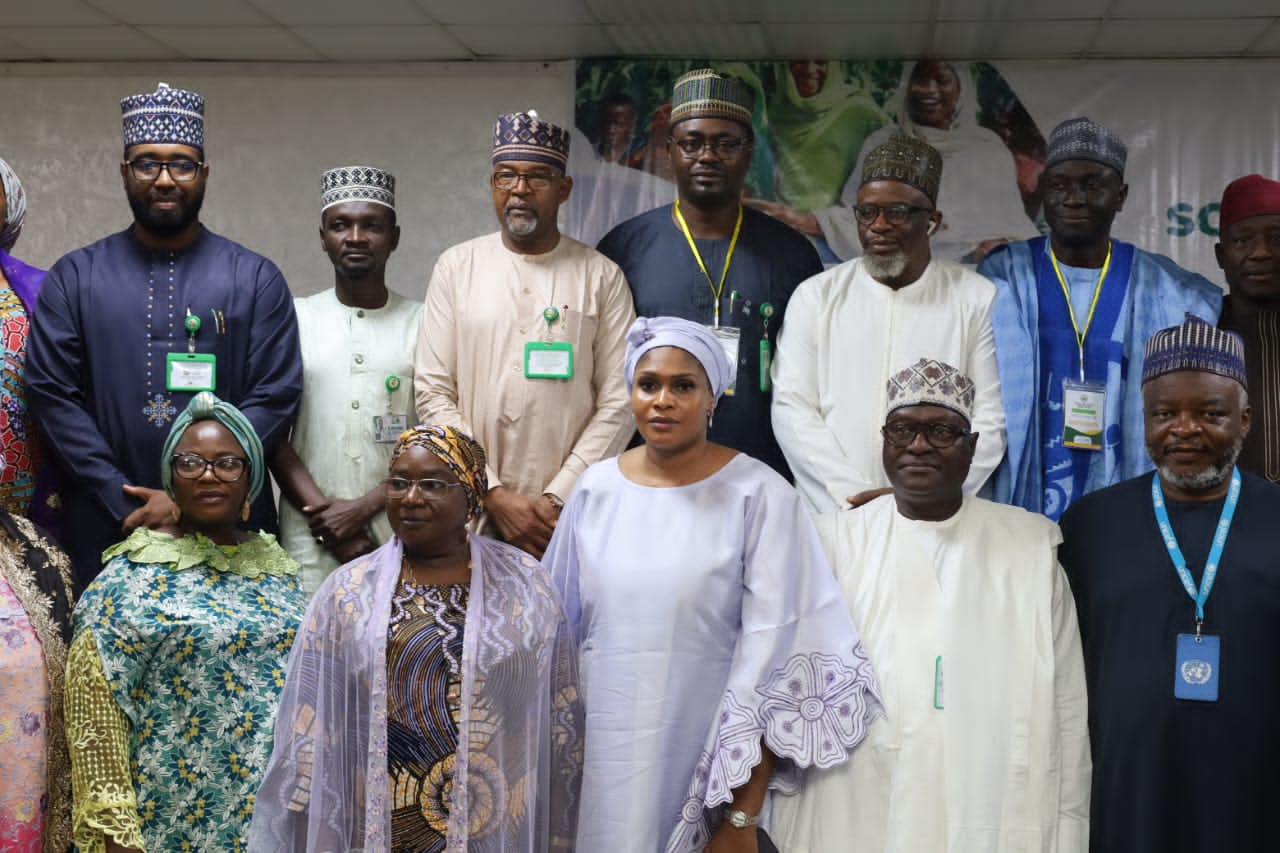
UNICEF Expert Calls for Stronger Social Protection Measures to Alleviate Poverty, Vulnerability
By:Femi Mustapha
Dr. Hamidou Poufon, Chief of Social Policy at UNICEF Nigeria, has underscored the critical role of social protection in reducing poverty and vulnerability.
Speaking at a two-day Social Protection Stakeholders Orientation in Kaduna, Dr. Poufon emphasized the need for policies and programs that mitigate risks and enhance individuals’ ability to navigate economic and social challenges.
He outlined three main components of social protection: social assistance, social insurance, and labor market programs.
Dr. Poufon noted that these elements are essential for decreasing poverty and vulnerability, particularly in the context of urbanization, globalization, climate change, forced displacement, natural disasters, and conflict.
Dr. Poufon also discussed various financing options for social protection, including expanding social security contributions, reallocating public expenditures, and increasing tax revenues.
He highlighted the importance of establishing a robust legal framework that provides a rights-based approach, ensuring social protection functions under the rule of law.
Furthermore, he addressed the challenges faced by Nigeria’s social protection system, such as low implementation of the National and State Social Protection Policy, inadequate funding, inefficient delivery systems, and poor coordination.
Dr. Poufon stressed the necessity for a rights-based approach, increased funding, and improved coordination to make social protection programs effective and sustainable.
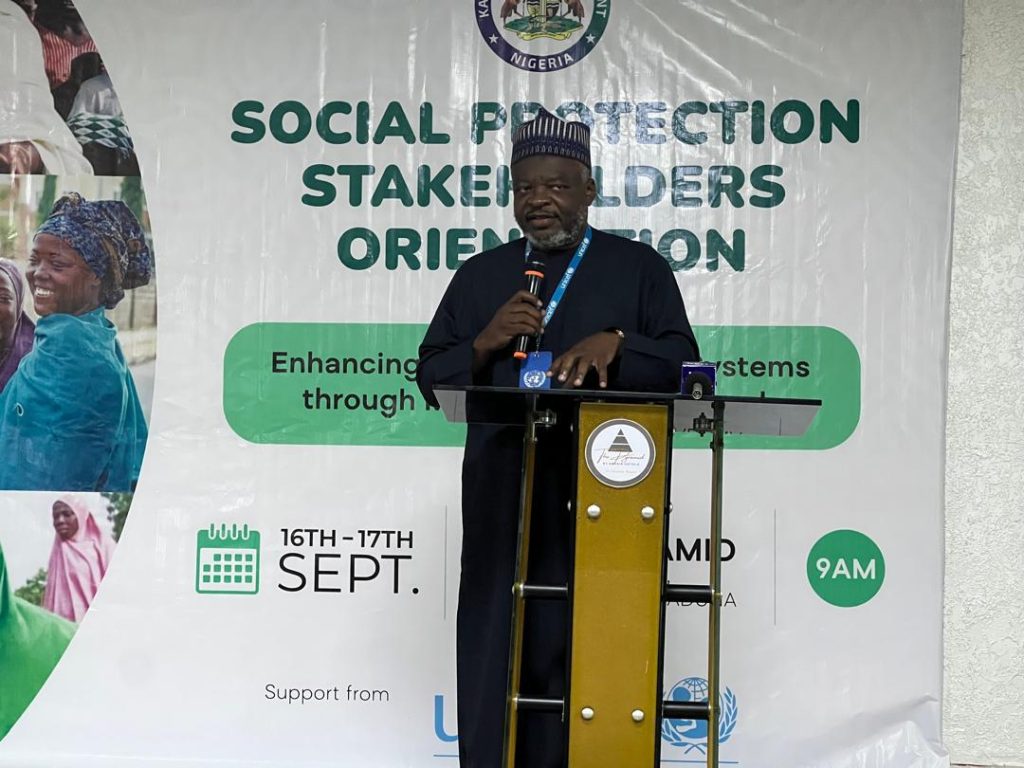
Mr. Garba Abdullahi from the Foreign Commonwealth Development Office (FCDO) Partnership for Agile Governance and Climate Engagement (PACE) program pointed out that PACE aims to support coalitions in influencing the government to tackle climate and governance issues that affect the poorest and most vulnerable populations.
The program is currently being implemented in Kaduna, Kano, and Jigawa in northwestern Nigeria.
Stakeholders were urged to collaborate to build an inclusive, equitable, and resilient society. They emphasized that social protection is not merely a policy goal but a moral obligation, reflecting shared values of dignity, compassion, and solidarity with the most vulnerable members of the community.


