

By: Femi Mustapha
A pioneering initiative is underway in Kaduna State to tackle the intertwined challenges of climate change, environmental degradation, and gender inequality.
There is no doubt that climate change profoundly impacts vulnerable populations in Kaduna, particularly women, children, and people with disabilities.
Rising temperatures and erratic rainfall patterns exacerbate food insecurity, water scarcity, and health issues, with these groups bearing the brunt of the consequences.
Recent findings revealed that in Zango Kataf, a Local Government Area in Kaduna, women are struggling to cope with the effects of climate change on agriculture, which is their primary source of livelihood.
Decreased crop yields and reduced income are further entrenching poverty, while water scarcity forces women and children to travel longer distances for clean water, exposing them to physical and psychological distress.
Children are disproportionately affected, with 110 million Nigerian children at risk due to climate change. Many are forced to drop out of school to help with household chores or work on farms, perpetuating the cycle of poverty.
In Kaduna, children are experiencing increased malnutrition, waterborne diseases, and heat-related illnesses, with 650,000 displaced due to environmental disasters between 2016 and 2021.
Investigations show that people with disabilities face unique challenges, as climate disasters magnify existing discrimination, poverty, and healthcare issues.
They are often excluded from climate decision-making processes, and policies frequently overlook their needs. In Kaduna, women with disabilities are particularly vulnerable, facing significant barriers to accessing relief interventions, healthcare, and education.
In the past, both state and non-state actors have attempted to provide solutions to these issues; however, more needs to be done to ensure vulnerable populations can adapt to the changing climate and build resilience..
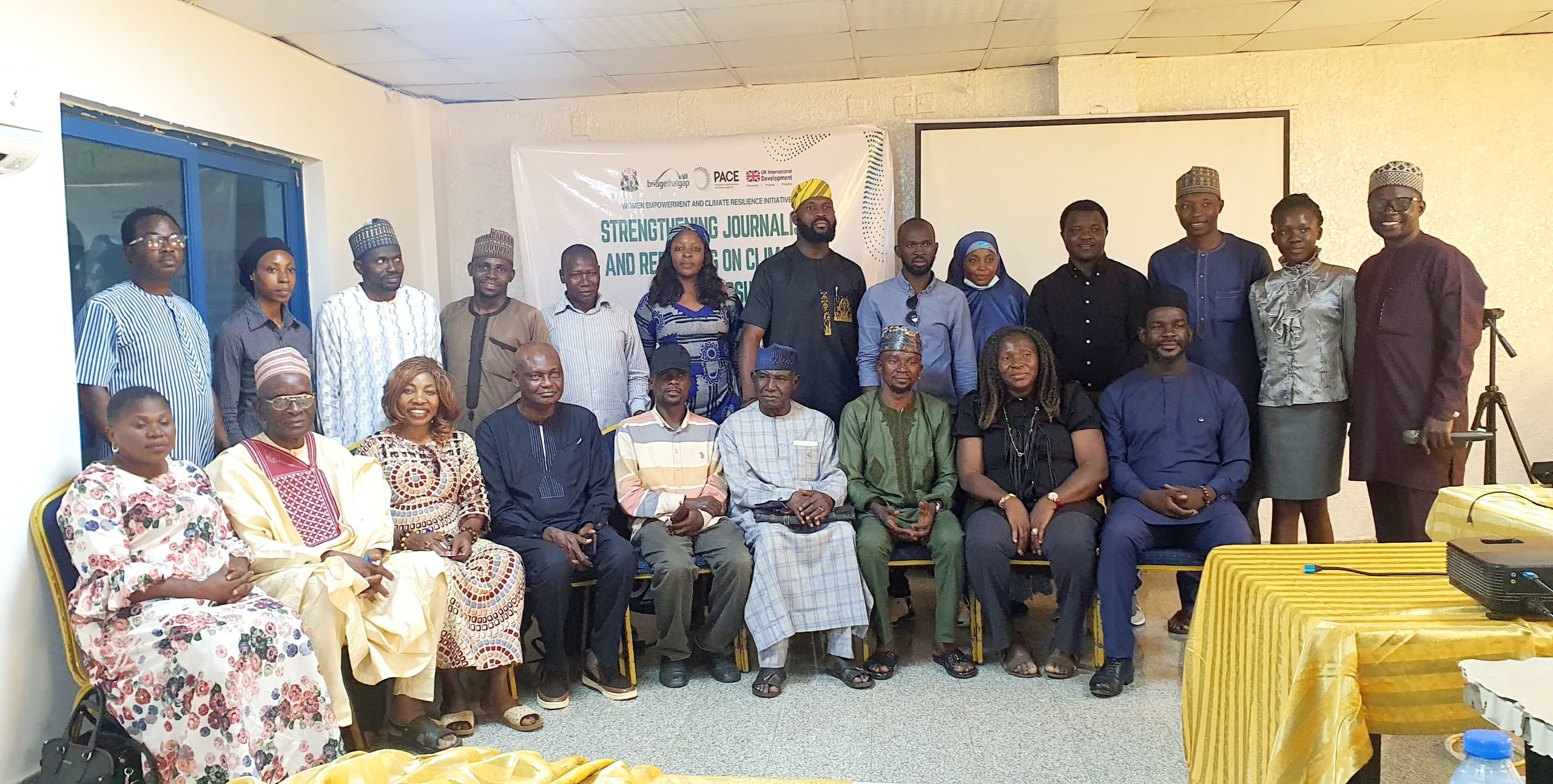
The Women Empowerment and Climate Resilience Initiative (WECRI) has emerged to address these challenges through a six-month pilot project that focuses on three Local Government Areas (LGAs) – Zaria, Chikun, and Zango Kataf – where environmental degradation, food insecurity, and limited female representation in governance structures are critical concerns.
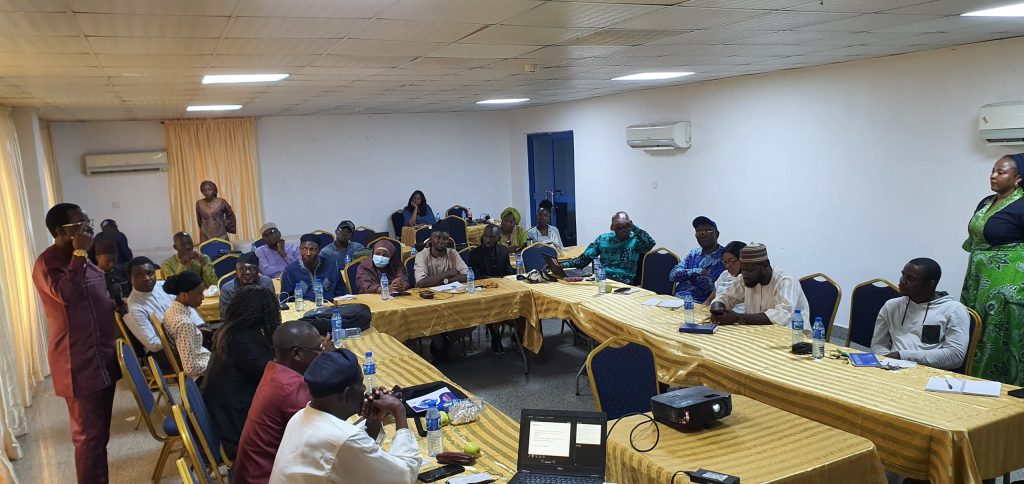
At a forum organized by Bridge That Gap (BTG) Hope for Africa Initiative, a consortium partner of the UK Government-sponsored Partnership for Agile Governance and Climate Engagement (PACE) Program, Joseph Onoja from the Nigeria Conservation Foundation (NCF) emphasized that climate change affects every aspect of life, notably pointing out that deforestation significantly contributes to greenhouse gas emissions. “Deforestation increases greenhouse gas emissions by 10%,” Onoja stated, highlighting the urgent need for action.
Similarly, Jonah Birga presented local case studies and deforestation data for Kaduna, revealing that Nigeria loses approximately 350,000 to 400,000 hectares of forest annually. Urban areas, driven by high demand for charcoal, are major contributors to this problem.
WECRI aims to strengthen women’s groups by improving their policy advocacy skills, providing energy-efficient cookstoves, and promoting economic growth opportunities. By empowering women, the project seeks to enhance community resilience and environmental sustainability.
As Onoja aptly put it, “Forests don’t speak – journalists give them a voice.” The initiative urges stakeholders to work together to address climate change, protect nature, and promote gender equality.
The Executive Director of Bridge That Gap (BTG) Hope for Africa Initiative summarized the crucial role journalists in Kaduna State play in addressing climate change by amplifying the voices of vulnerable populations and holding decision-makers accountable.
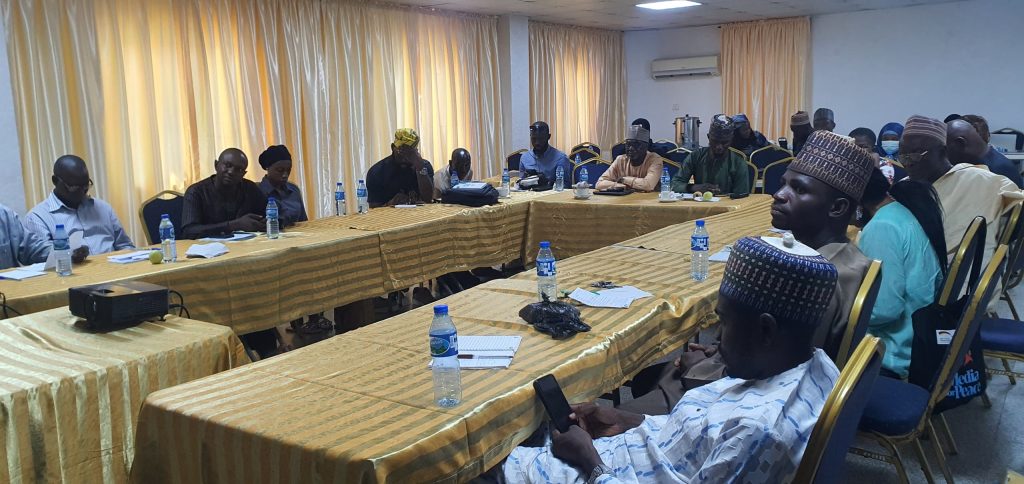
Dr. Joseph Onoja from the Nigeria Conservation Foundation (NCF) emphasized that journalists can help translate complex climate science into compelling stories that resonate with the community. By highlighting the impacts of climate change on women, children, and people with disabilities, journalists can raise awareness and inspire action.
To effectively tackle climate change, journalists must prioritize investigative reporting, exposing environmental degradation, deforestation, and pollution.
They should also showcase success stories, such as the Women Empowerment and Climate Resilience Initiative (WECRI), that empower women and promote climate resilience. By doing so, journalists can inspire collective action and encourage policymakers to prioritize climate initiatives.
Ultimately, journalists have a responsibility to give a voice to the voiceless, including forests, wildlife, and marginalized communities. As Onoja aptly stated, “Forests don’t speak – journalists give them a voice.”
By fulfilling this role, journalists in Kaduna State can contribute significantly to driving climate action and promoting environmental sustainability.


