

By: Femi Mustapha
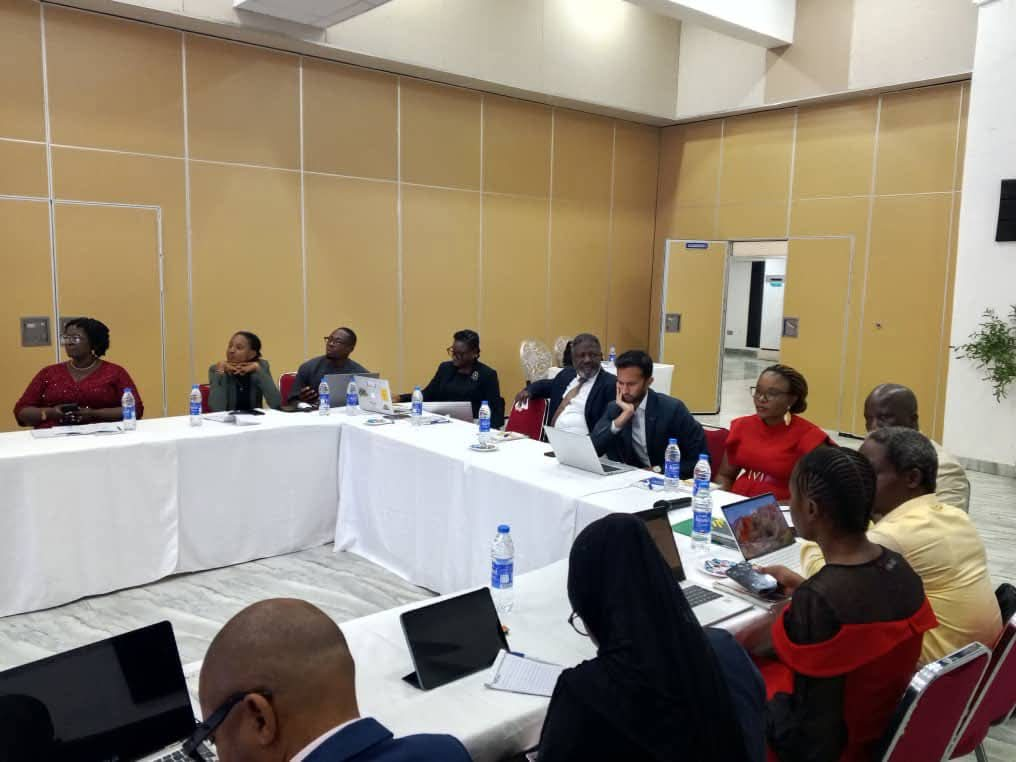
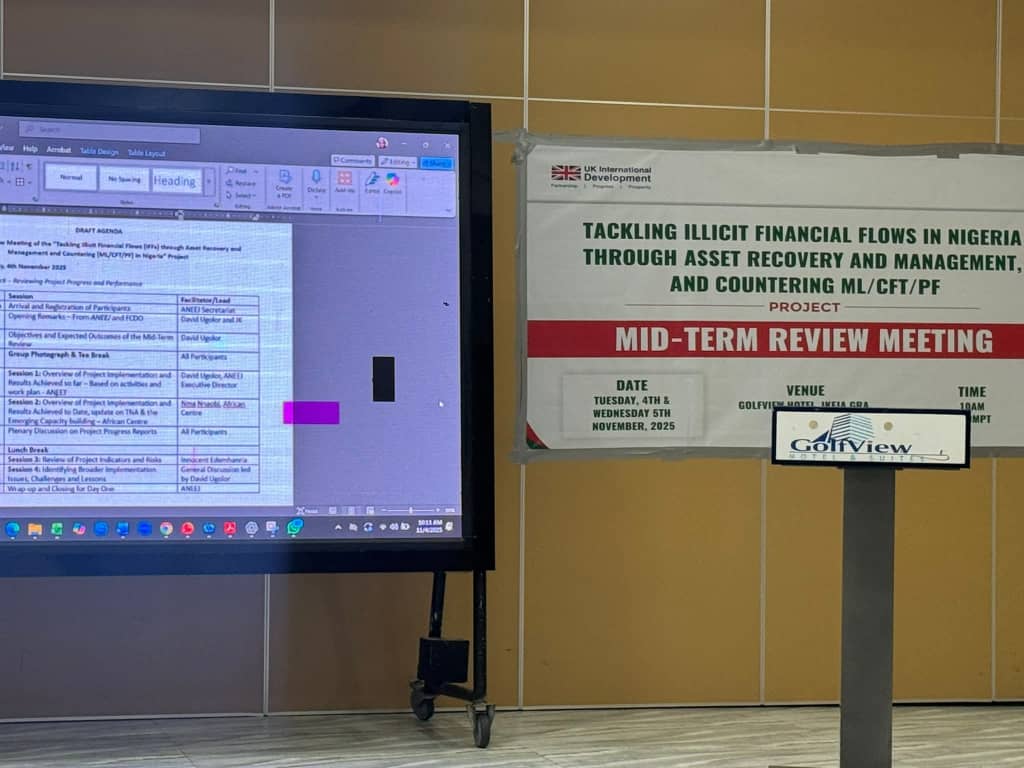
The mid-term review meeting for the Illicit Financial Flows (IFFs) Project, held yesterday, highlighted both significant achievements and ongoing challenges in combating IFFs through asset recovery, transparent management, and enhancing anti-money laundering and counter-terrorism financing frameworks.
During the meeting, Rev. David Ugolor, Executive Director of the Africa Network for Environment and Economic Justice (ANEEJ), emphasized the project’s ambitious goal of ensuring that Nigeria recovers stolen assets and manages them transparently for the benefit of all citizens.
Rev. Ugolor pointed out several quick wins that reflect genuine progress, including Nigeria’s removal from the Financial Action Task Force (FATF) Grey List. This milestone demonstrates improved coordination among key agencies.
Moreover, there is an increasing engagement among civil society in asset recovery and management, with growing awareness of the Proceeds of Crime Act (POCA) 2022 and its provisions.
The expanding collaboration between government, civil society, and development partners embodies the principles of transparency, accountability, and partnership as outlined in the Global Forum on Asset Recovery (GFAR).
However, Rev. Ugolor also highlighted several challenges that require ongoing attention:
- There is a need for full engagement with the World Bank and the Rural Electrification Agency (REA) to maintain independent civil society monitoring of the Galatica/Diezani asset repatriation and to advance subnational restitution to Bayelsa State.
- It is crucial that recovered assets benefit affected communities and provide meaningful developmental impacts.
In conclusion, Rev. Ugolor underscored the importance of consolidating gains and collaborating to ensure that every recovered asset genuinely benefits the Nigerian people.
He urged stakeholders to focus on rebuilding schools, clinics, and livelihoods, positioning Nigeria as a credible global leader in asset recovery and management.
The meeting emphasized the significance of ongoing collaboration and commitment to addressing IFFs, as well as promoting transparency and accountability in asset recovery and management.


