

By: Femi Mustapha
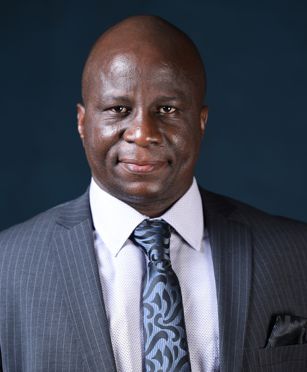
The recent public whistleblowing by Aliko Dangote and the subsequent resignation of the Chief Executive of the Nigerian Midstream and Downstream Petroleum Regulatory Authority (NMDPRA), Eng. Farouk Ahmed has exposed deep-seated systemic failures in Nigeria’s oil and gas regulatory regime, according to Rev. David Ugolor, Executive Director of the Africa Network for Environment and Economic Justice (ANEEJ).
In a statement made available to the media in Kaduna today, Rev. Ugolor noted that the incident has highlighted the country’s weak enforcement, opacity, and lack of public trust in the regulatory system.
He emphasized that, despite the Petroleum Industry Act (PIA), regulatory implementation has been inconsistent, which reinforces skepticism about accountability in the downstream petroleum sector.
However, Rev. Ugolor sees this moment as an opportunity for reform, particularly with the recent Senate screening of newly nominated Chief Executive Officers for Nigeria’s petroleum regulators.
The nominees, including those for the Nigerian Upstream Petroleum Regulatory Commission (NUPRC) and the NMDPRA, have pledged to digitise regulatory processes, enforce contracts, and restore investor confidence.
Rev. Ugolor emphasized that these assurances must become benchmarks for accountability, rather than mere sound bites.
He called for collective action involving civil society, the private sector, professional associations, the media, and transparency institutions, such as the Nigeria Extractive Industries Transparency Initiative (NEITI), to drive reform.
According to Rev. Ugolor, effective regulators must be independent, transparent, and accountable, publishing data, justifying decisions, engaging stakeholders, and subjecting themselves to regular performance evaluation. Nigeria already has some of these building blocks, including NEITI’s credible data on the extractive sector.
To turn resignation into reform, Rev. Ugolor urged stakeholders to demand the complete digitization of regulatory processes, transparent enforcement of contracts and sanctions, public disclosure of beneficial ownership in the oil and gas sector, and greater transparency regarding asset declarations of senior officials.
“Dangote’s whistleblowing exposed uncomfortable truths about Nigeria’s regulatory system. The resignation that followed should not mark the end of the story.”
Rev. Ugolor said. “The assurances given by the new NUPRC and NMDPRA leadership create a narrow but important window for reform. Whether this moment becomes a turning point or another missed opportunity will depend on collective action.”


