

By: Femi Mustapha
Kaduna State has taken a significant step toward more transparent and effective social protection by broadening its Monitoring, Evaluation, Accountability, and Learning (MEAL) framework.
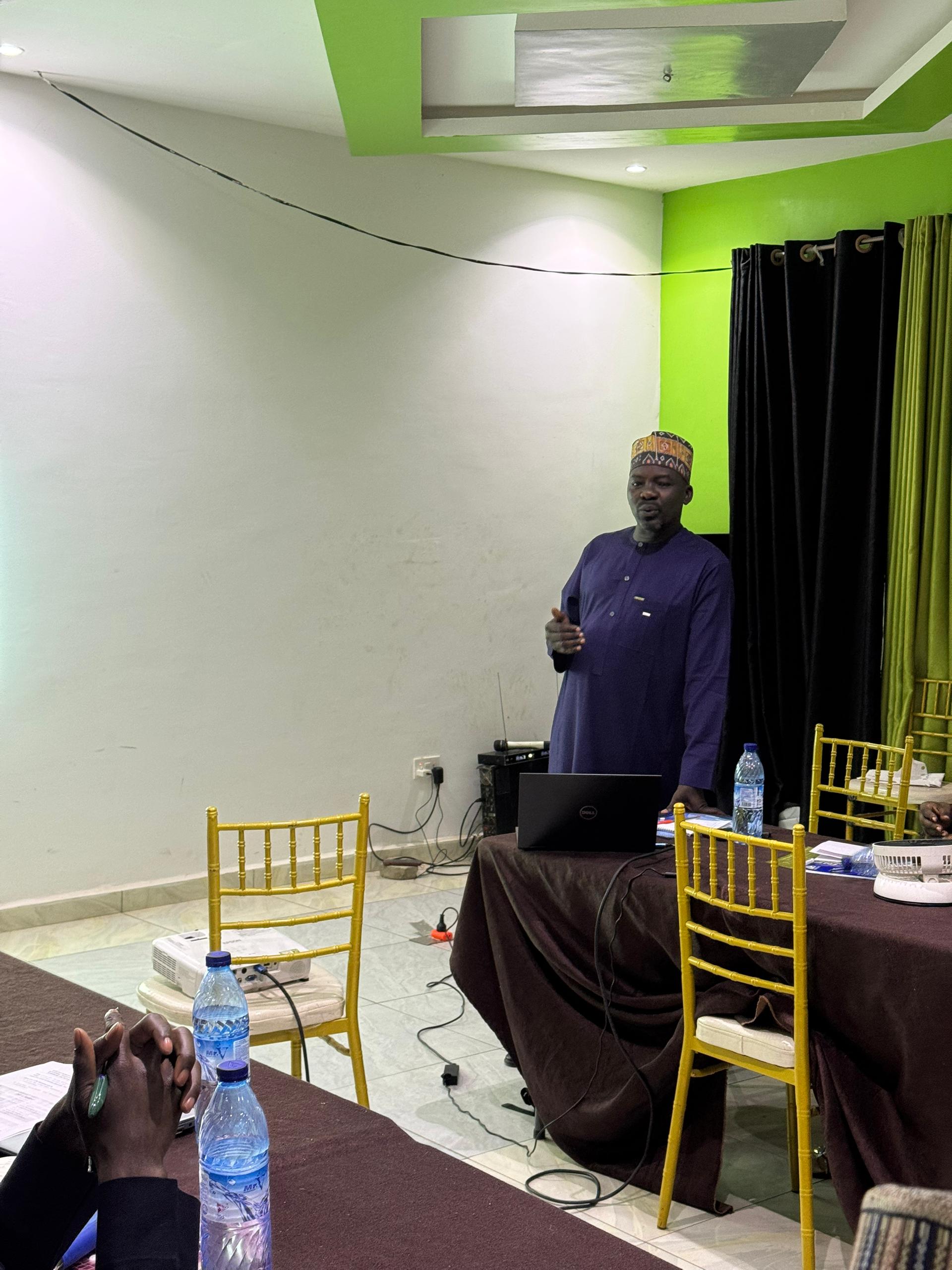
During a three-day workshop in Zaria, lead consultant Dr. Ali Madina Dankumo from the Federal University of Kashere explained why the expansion is important.
He noted that this enhancement improves program quality by documenting every activity in a detailed, costed implementation plan, maintaining progress through ongoing monitoring, and identifying what works through thorough evaluation, enabling evidence-based adjustments rather than guesswork.
He highlighted that a stronger MEAL system boosts accountability to communities by incorporating feedback mechanisms, giving beneficiaries a voice, and holding service providers responsible.
Dr. Dankumo added that access to reliable, real-time data will improve decision-making by providing timely, accurate information and clear reporting trends (monthly, quarterly, and annually) that inform future strategies.
The framework also promotes adaptive learning by systematically sharing lessons, refining strategies, and scaling successful interventions.
Additionally, it will boost donor confidence and funding through transparent evaluation outcomes and clear accountability measures, aligning with state, national, and SDG development goals.
The workshop, organized by the Kaduna Social Investment Programs Agency (KADSIPA) with UNICEF’s support, signifies a key step toward establishing a transparent, impactful, and responsive social protection system in Kaduna State.
As Dr. Dankumo concluded, “A robust MEAL framework is not just about tracking numbers; it’s about using data to improve lives and foster trust between citizens and government.”


