

By: Femi Mustapha
The State Program Officer for the Civil Society in Malaria Control, Immunization, and Nutrition (ACOMIN), Mr. Ogidi Nicodemus, has raised concerns about several challenges facing facilities supported by the Global Fund (GF) in the state’s malaria prevention efforts.
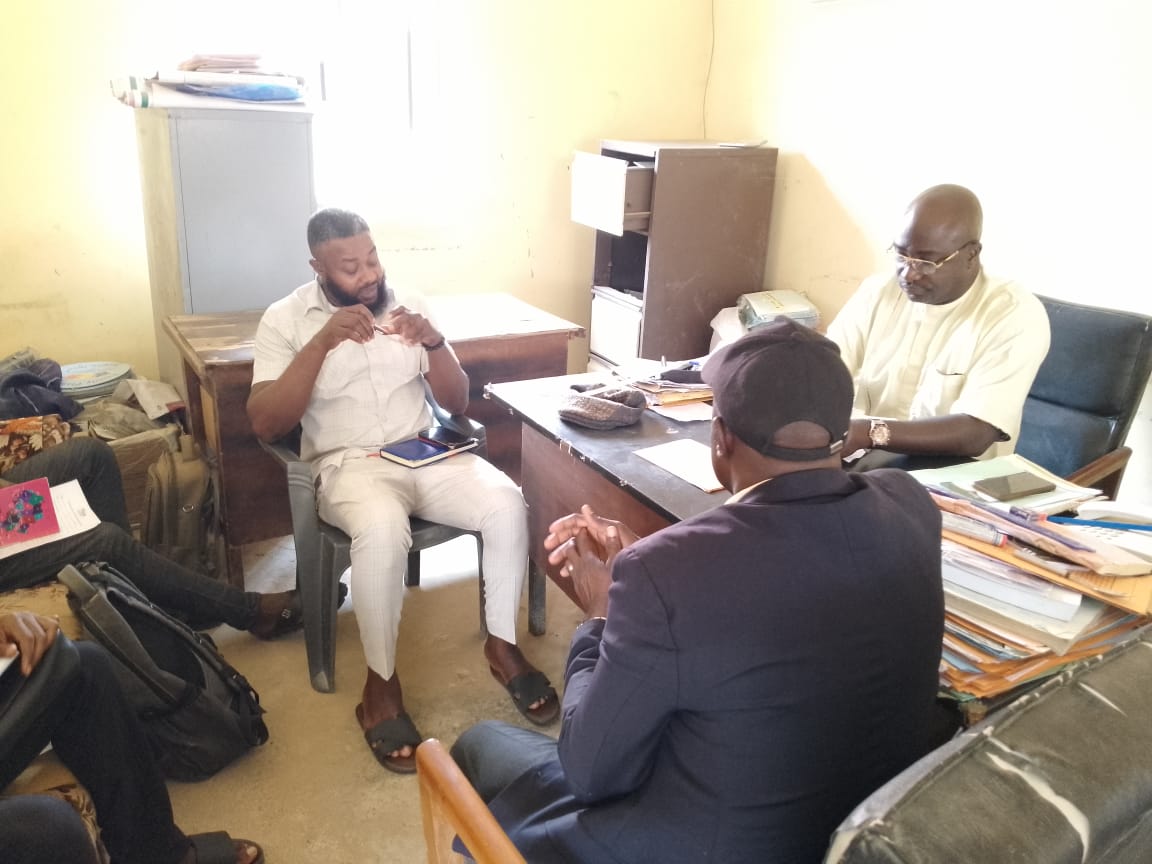
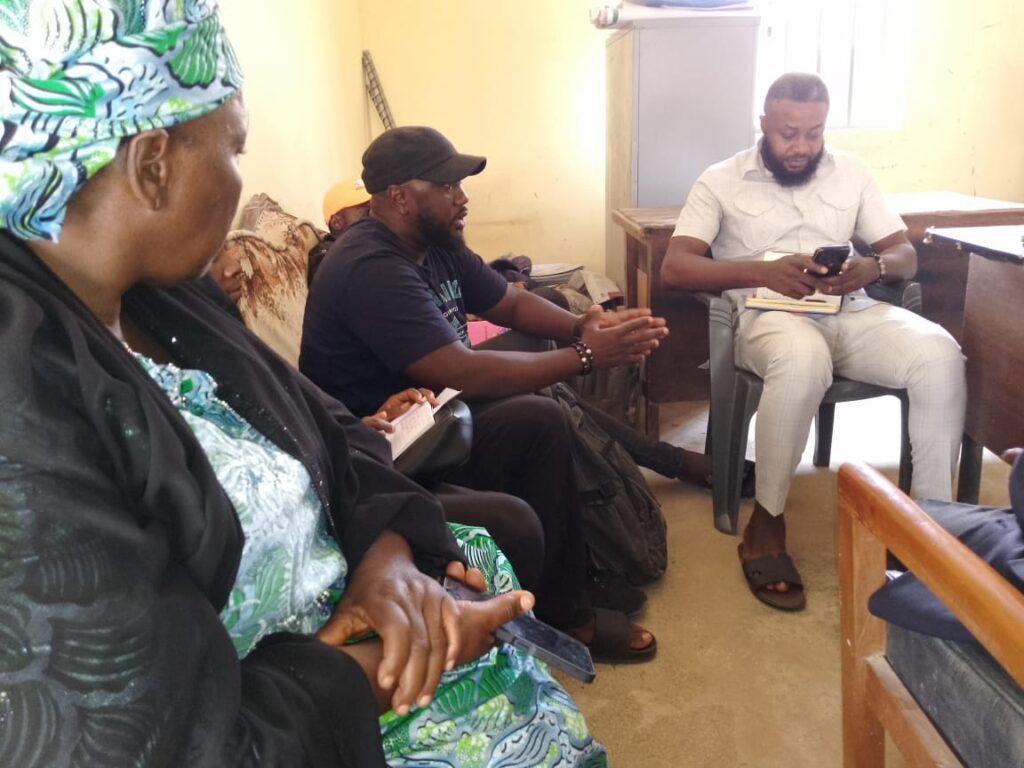
He made this point when the Civil Society in Malaria Control, Immunization and Nutrition (ACOMIN) advocacy team visited the Chikun Local Government Area (LGA) Health Secretary on February 23, 2026, to discuss issues affecting malaria interventions in the local government.
The team likely discussed ways to address the challenges highlighted by Mr. Ogidi and explored opportunities for collaboration to improve malaria prevention efforts in the LGA.
Mr. Ogidi highlighted poor infrastructure, inadequate human resources, and inconsistent availability of malaria prevention products, which are crucial for protecting pregnant women and other vulnerable populations.
According to Mr. Ogidi, some GF-supported facilities are struggling with basic operational issues that hinder their ability to deliver malaria prevention services effectively.
He emphasized that these challenges are not insurmountable but require urgent attention from both donors and government authorities to ensure the continuity of essential health services.
One of the major issues identified by Mr. Ogidi is the shortage of skilled healthcare workers in GF-supported facilities. He noted that the lack of adequate human resources is severely affecting the delivery of malaria prevention interventions, including the administration of intermittent preventive treatment for pregnant women (IPTp) and the distribution of insecticide-treated nets (ITNs).
The State Program Officer also expressed concern about the inconsistent supply of malaria prevention products, which is affecting the state’s ability to sustain its malaria prevention efforts.
He stressed that the continuous availability of these products is critical for preventing malaria in pregnancy and reducing maternal and child mortality.
Mr. Ogidi further highlighted poor record-keeping and documentation of service data in some facilities.
He noted that accurate data is essential for tracking progress, identifying gaps, and making informed decisions about resource allocation.
The State Program Officer called on the government to complement the efforts of donors, including the Global Fund, to address the identified challenges. He emphasized that government support is crucial for ensuring the long-term sustainability of malaria prevention programs and achieving the state’s health goals.


