

By: Femi Oyelola
The recovery of stolen assets has been praised as a major step toward fighting corruption in Nigeria. Still, the slow process of using these funds has raised worries among civil society groups (CSOs) and the general public.
Two notable cases involve assets recovered from former Bayelsa State Governor Diepreye Solomon Peter Alamieyeseigha and ex-Petroleum Minister Diezani Alison-Madueke.
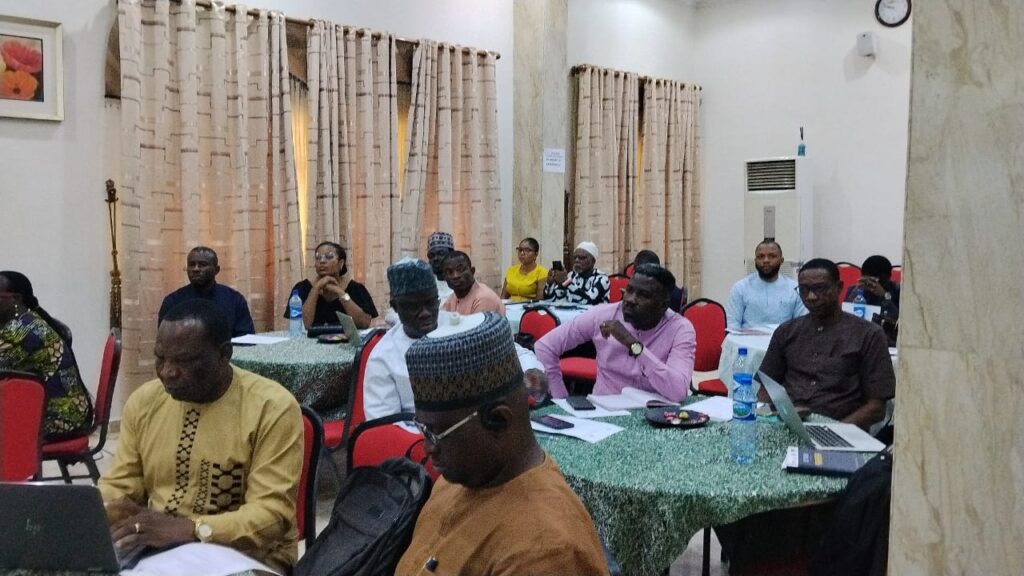
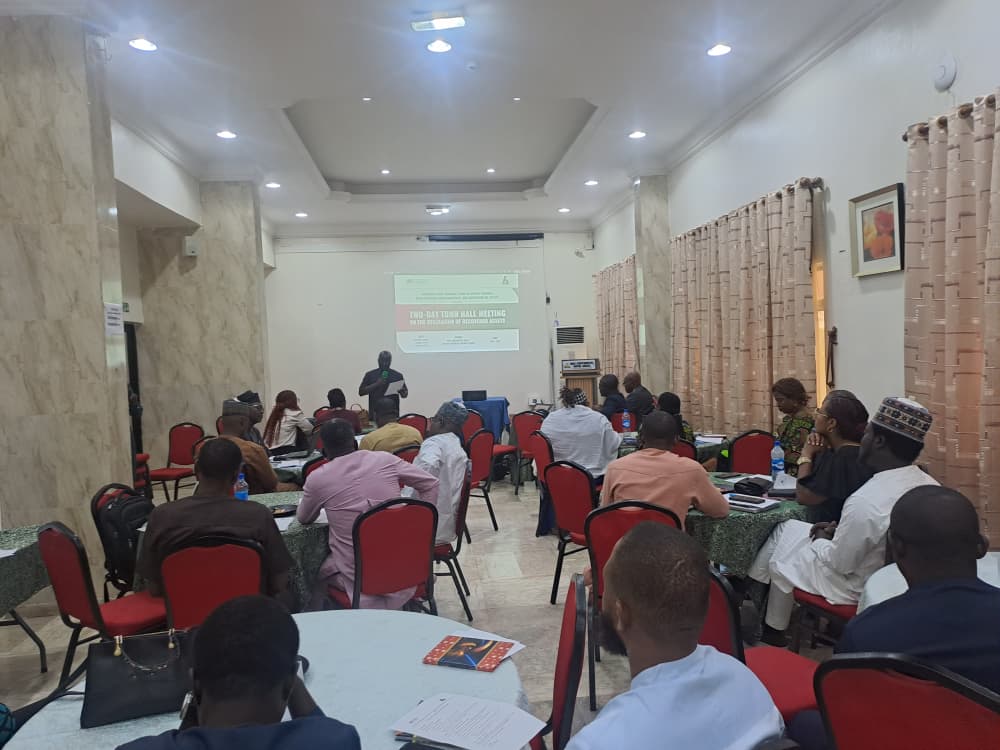
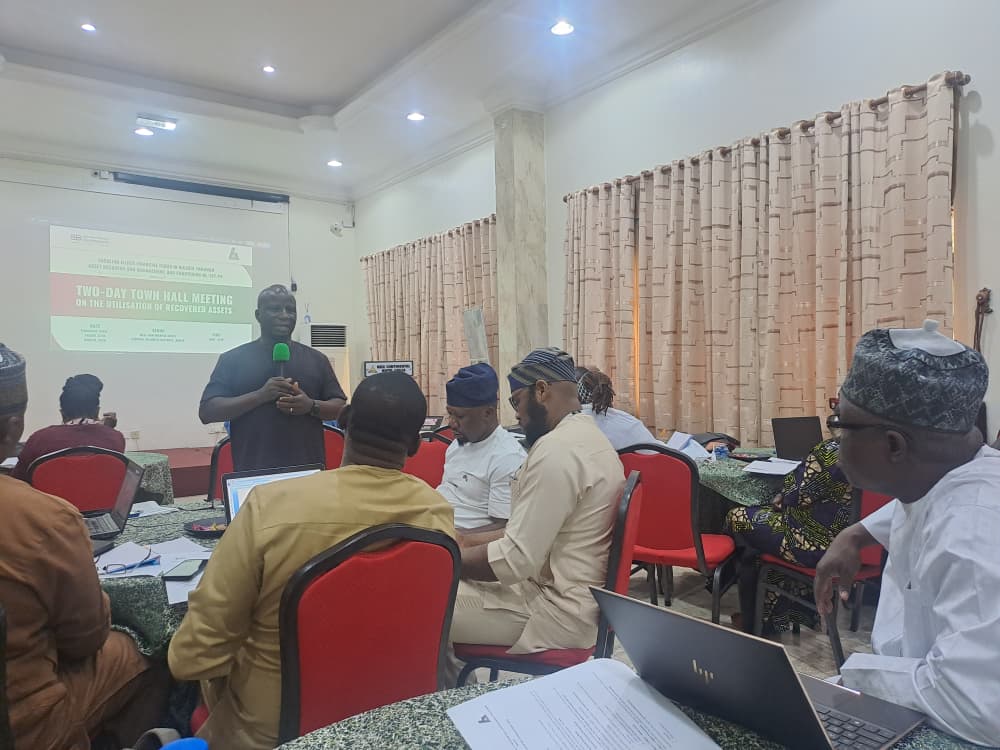
At the closing of a two- day town hall meeting focused on the use of recovered funds and accountability reports organized by Africa Network for Environment and Economic Justice (ANEEJ), with support from the UK Foreign, Commonwealth & Development Office (FCDO), noted that $900,000 recovered from Alamieyeseigha is to be allocated to primary healthcare facilities in Bayelsa State. Leo Atakpu, Deputy Executive Director of ANEEJ, said, “The funds will be used to support primary healthcare facilities in Bayelsa State.”
At the same time, 50 million dollars linked to Alison-Madueke is targeted for rural electrification projects through the DARES initiative, funded by the World Bank.
However, Atakpu expressed frustration, noting that these funds have often been unused, with the Alamieyeseigha funds sitting idle at the Central Bank of Nigeria for three years.
“We expect that institutions and agencies responsible for managing these assets should establish systems to provide information to the public,” Atakpu stated.
Walson Paminola, Vice Chairman of the Bayelsa Non-Governmental Organization Forum, echoed these concerns, stressing the importance of transparency and accountability in the use of these funds.
“We are doing more of monitoring and tracking, ensuring that there is value for this money that will be spent,” Paminola said.
The recovered assets result from bilateral agreements between Nigeria and other countries, including the United Kingdom. While there is no specific timeline for these funds’ use, CSOs are urging quicker action to ensure the projects are carried out, and the intended recipients benefit.
The funds are planned to be managed by government agencies, with CSOs overseeing the process. In Bayelsa State, eight healthcare facilities have been chosen for renovation and equipment, aimed at underserved communities.
As Nigeria works to fight corruption and improve the lives of its people, using recovered assets effectively is essential. It is crucial that the government maintains transparency and accountability in managing these funds, and that CSOs continue to hold them accountable for their actions.


