

By: Femi Mustapha
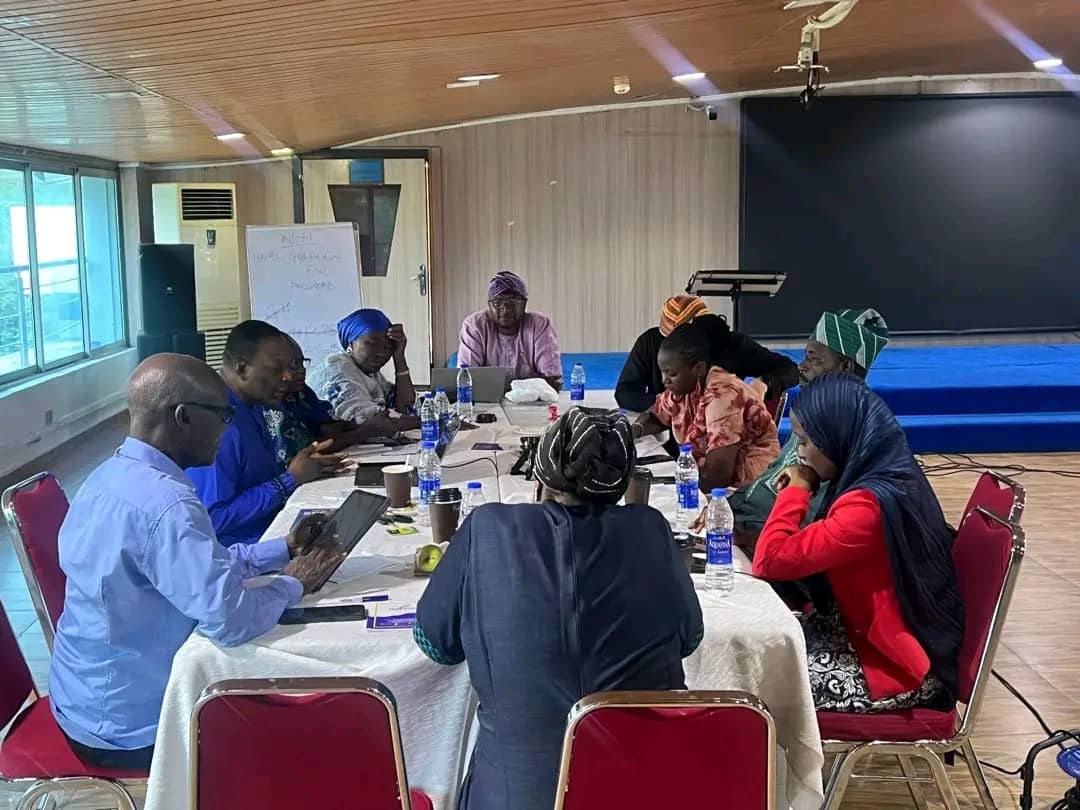
The Africa Network for Environment and Economic Justice (ANEEJ) organized a one-day Focus Group Discussion to evaluate Nigeria’s legal and institutional frameworks for addressing illicit financial flows (IFFs).
The event, held in Lagos State, brought together stakeholders from civil society, academia, and investigative journalism to share experiences, identify challenges, and develop recommendations to strengthen accountability systems.
In his opening remarks, ANEEJ Program Officer II Laz Apir highlighted that IFFs remain a significant obstacle to Nigeria’s development, undermining investments in key sectors such as healthcare, education, social protection, and infrastructure.
“Illicit financial flows are draining our resources and hindering our progress,” Apir stated, stressing the need for strong accountability mechanisms.
The discussion, led by John Onyeukwu and Dr. Godwin Uyi Ojo, focused on identifying barriers to data access, evaluating the effectiveness of accountability tools, and developing evidence-based recommendations to improve Nigeria’s response to IFFs. Participants emphasized the value of policy-relevant research to support civil society organizations and investigative journalists, who play vital roles in accountability.
This Focus Group Discussion offered a strategic platform for stakeholders to exchange practical experiences and develop concrete recommendations.
ANEEJ remains dedicated to promoting transparency, strengthening anti-corruption efforts, supporting asset recovery, and fostering inclusive governance in Nigeria.
The event was part of ANEEJ’s ongoing project to build the capacity of civil society organizations and the media, supported by Expertise France and funded by the European Union.
This initiative aligns with ANEEJ’s broader goal to enhance accountability and good governance across Nigeria.


