

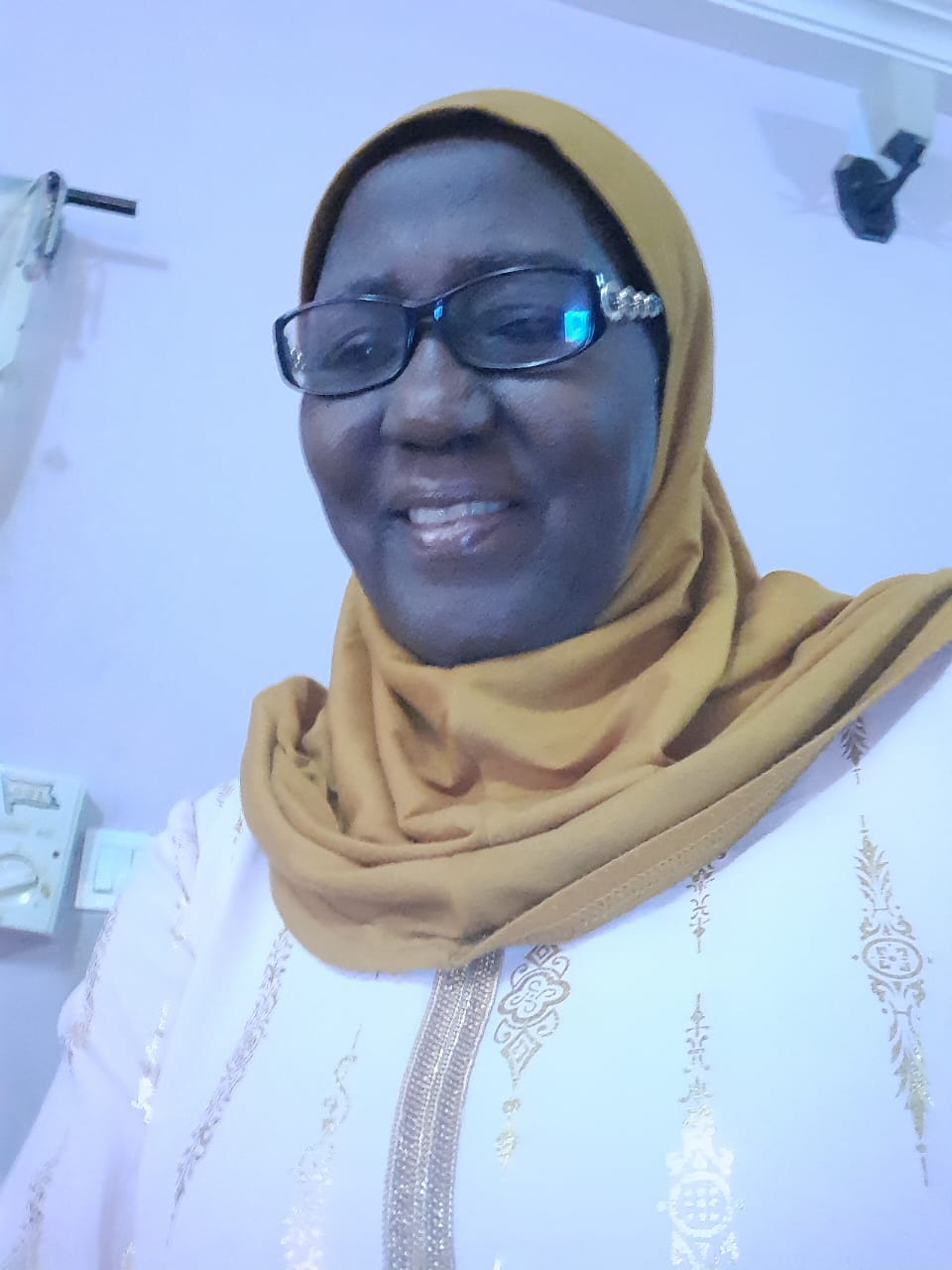
From: Femi Mustapha
For Hajia Badiyya Magaji Inuwa, the fight against sickle cell disorder started with a personal loss that refused to let her look away.
The founder of the Sickle Cell Patient Health Promotion Center in Badarawa, Kaduna, said her humanitarian mission was born after her son, Isa Magaji Inuwa, died after years of battling the disorder. What began as private grief nearly two decades ago has grown into an organization that has supported more than 5,000 underprivileged sickle cell patients across Nigeria.
Speaking to LEADERSHIP in Kaduna, Hajia Badiyya recalled that the idea for the center came to her while her son was receiving treatment in the hospital. There, she met a woman crying helplessly because she couldn’t afford to care for her two-year-old child suffering from sickle cell disorder. The child later died after not receiving urgent medical attention.
“That encounter stayed with me,” she said. “My son and I talked about how we could help indigent patients through free medication and emergency support in public hospitals.”
Before their plan could fully take off, Isa was readmitted and passed away. His death strengthened her determination. About 18 years ago, she established the center with an initial goal of helping 100 patients.
Word spread quickly after radio announcements informed the public about the free treatment support. Patients soon started arriving from Kano, Katsina, Niger, and Nasarawa, pushing demand far beyond the original plan.
“Anytime my staff told me we had exceeded our limit, I insisted we continue because I understand the pain mothers of sicklers go through,” Hajia Badiyya said.
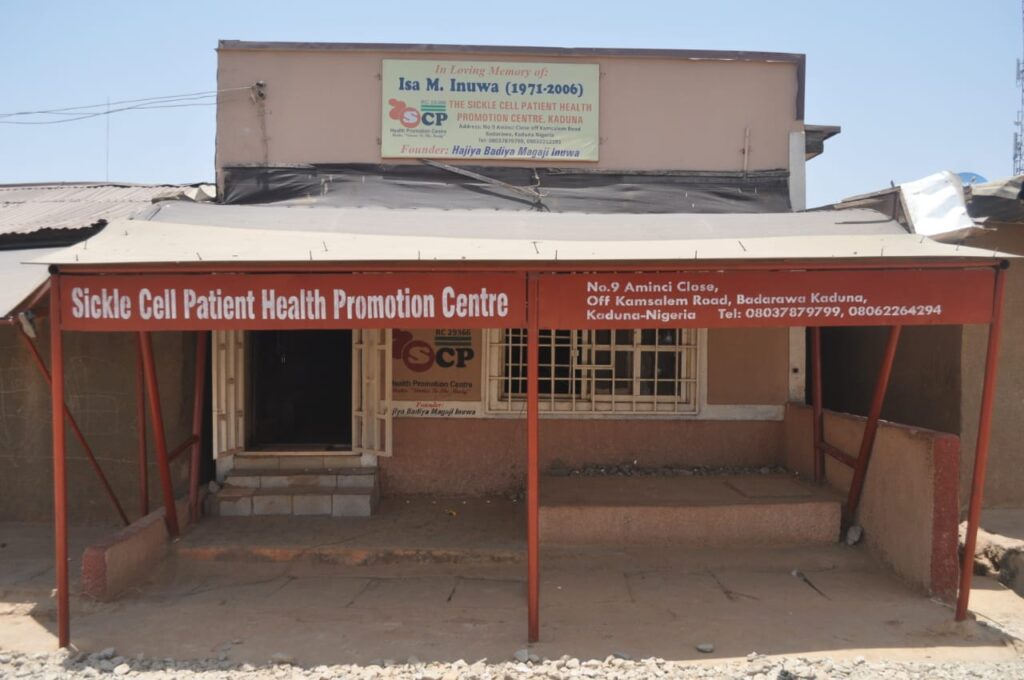
Since its founding, the center has provided free medication, counseling, referrals, and awareness campaigns to more than 5,000 patients. For many families, this support has been a life-or-death matter, providing hope amid despair.
Beyond treatment, Hajia Badiyya has become an advocate against the stigma and discrimination sickle cell patients face in schools, workplaces, and even in marriage.
“Most sicklers are highly intelligent, but society neglects them. Some employers refuse to hire them because they believe they will always be sick,” she said.
She now advocates for mandatory genotype testing before marriage to help lower the number of children born with the disorder. She believes this should be linked to birth certificates so young people can know their status early and make informed decisions.
“I want genotype testing attached to birth certificates so children can know their status early and make informed decisions in the future,” she explained.
Hajia Badiyya notes that increased awareness about genotype compatibility is already making an impact, with fewer new cases appearing in communities where couples take testing seriously.
For her, the mission continues. What started with the memory of her son has become a lifeline for thousands of families and a reminder that one person’s pain can be transformed into healing for many.


