

From: Femi Mustapha
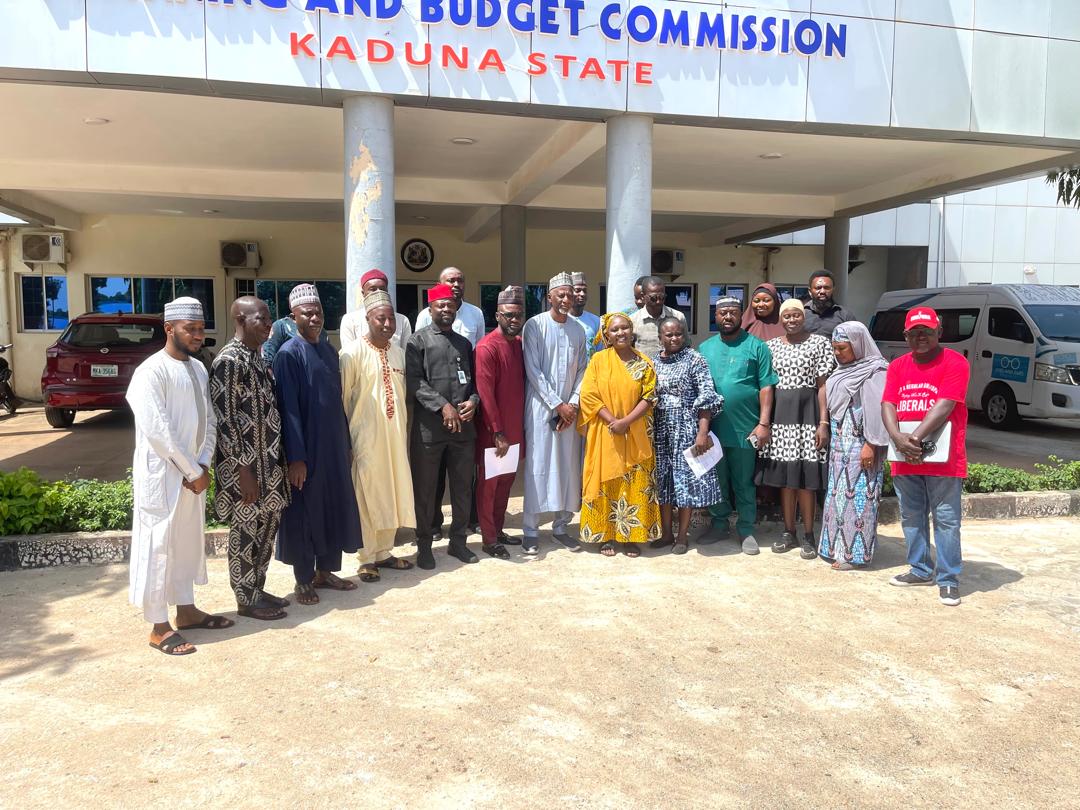
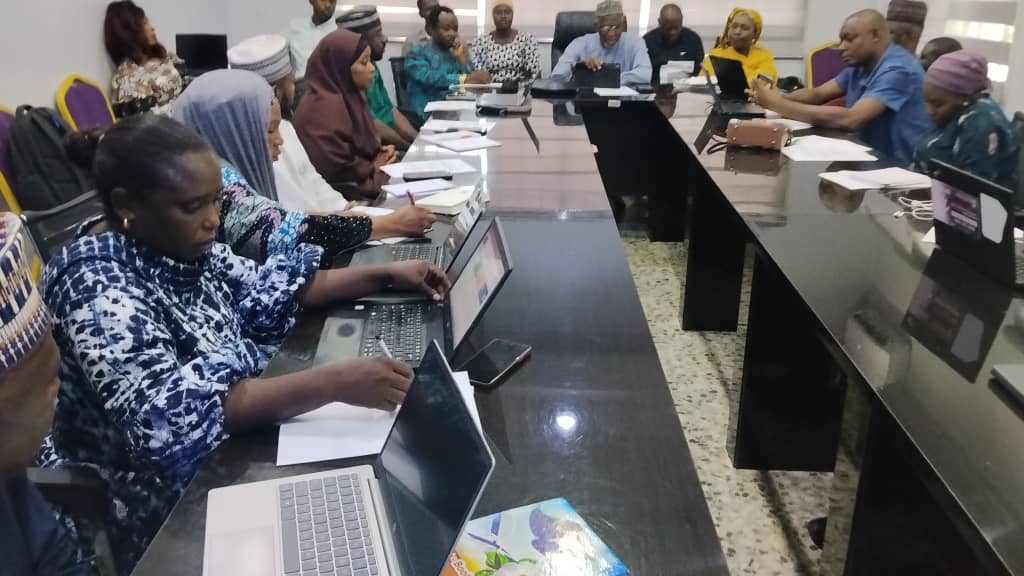
Civil Society Scaling Up Nutrition in Nigeria (CS-SUNN), in collaboration with the Kaduna State Government, organized a two-day capacity-building training for stakeholders on using the National Nutrition Budget Tracking System (NNBTS) as part of its PINNS 3.0 project.
The training brought together state budget officers and key nutrition actors to improve transparency and accountability in nutrition funding, with pointed questions directed at the government on data integrity and ownership.
Mrs. Ayim Ngare Celestina, State Coordinator of CS-SUNN Kaduna, stated the training has three main objectives: first, to build the capacity of state budget officers in NNBTS operations; second, to deepen understanding of the system’s features and applications; third, to equip participants with skills to analyze nutrition budget data so government commitments can be monitored and financial resources more effectively aligned with nutrition priorities.
The training outlined clear deliverables: creating system admin and coordinator accounts on the NNBTS platform, entering Kaduna State’s Q1 2026 nutrition budget data, using NNBTS as an advocacy tool to generate state-specific data, and developing a state implementation and action plan.
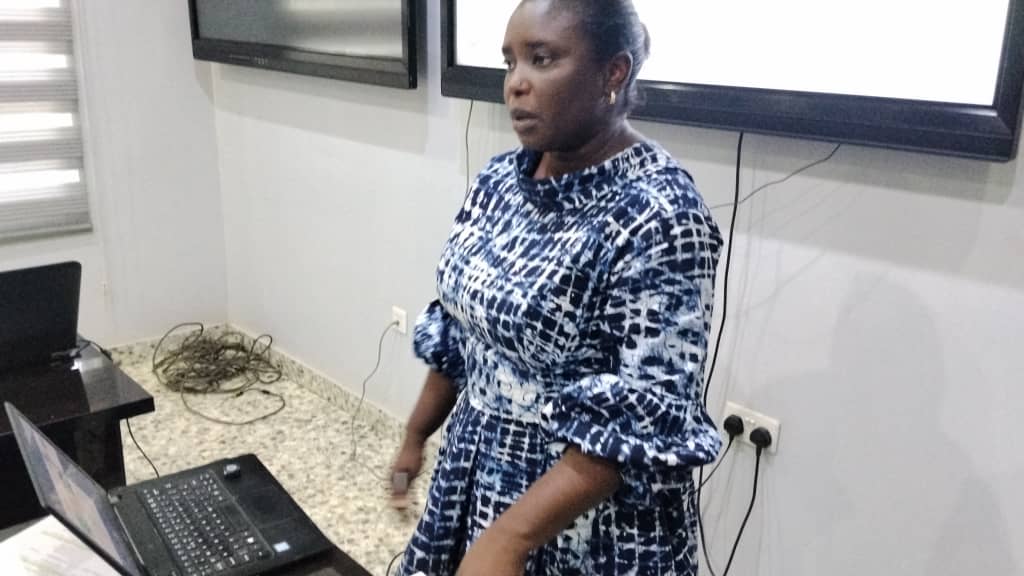
Mrs. Celestina said these steps will help ensure funds allocated for nutrition reach programs for children and women.
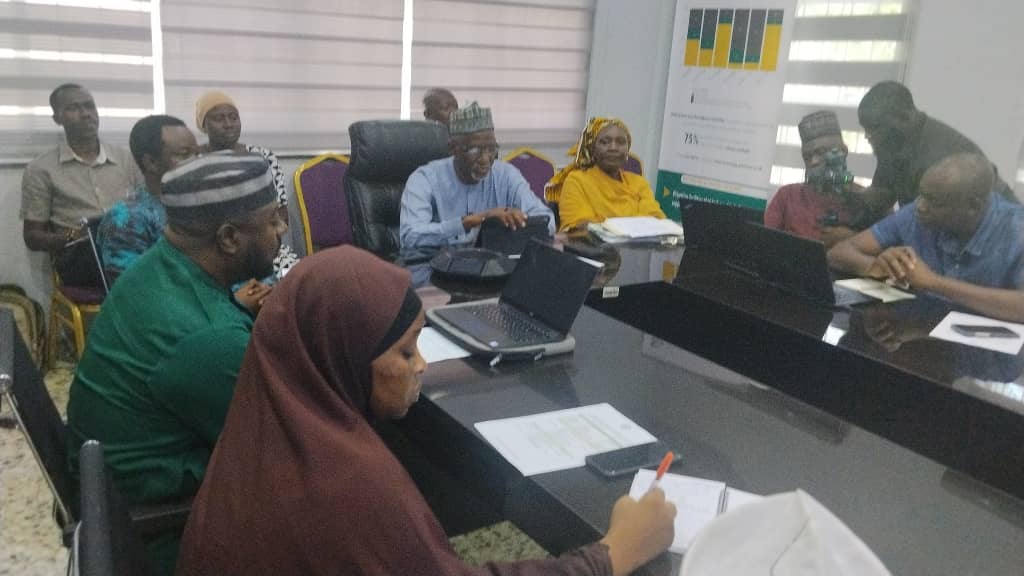
During the opening remarks, the Permanent Secretary of the Planning and Budget Commission and Chairman of the State Committee on Food and Nutrition, Mallam Mukhtar Abdullahi, said the workshop comes at a pivotal time when there is rising demand for transparency, accountability, and evidence-based decision-making in managing public resources.
He highlighted that nutrition remains a key driver of human capital development and sustainable economic growth, underscoring the need to track and effectively utilize resources allocated to nutrition programs.
Abdullahi emphasized that the National Nutrition Budget Tracking System offers a platform for monitoring nutrition investments, tracking budget releases, and generating data to support informed policy and planning decisions.
He added that institutionalizing the system would enhance budget performance and help ensure interventions reach the intended beneficiaries, while also praising CS-SUNN and its partners for supporting Kaduna State’s efforts to improve nutrition governance and accountability through capacity-building initiatives.
This capacity-building session coincides with renewed warnings from CS-SUNN about Nigeria’s malnutrition crisis.
In a separate executive overview presented by Programs Officer Ambrose Evhoesor, the organization stated Nigeria faces a human capital crisis, with 40% of children under five being stunted, wasting rates at 8%, and over 33 million Nigerians experiencing critical food and nutrition insecurity during peak dry seasons.
The overview also examined budget trends, showing federal allocations decreasing from ₦10.8 billion in 2021 to ₦6.5 billion in 2023, before increasing again to ₦18 billion in 2024 and ₦243 billion in 2025, while Kaduna State’s budget performance fluctuated from 98% in 2021 to 14.47% in 2025.
To bridge the gap between allocation and impact, CS-SUNN recommended ring-fencing nutrition budgets at both federal and state levels, publishing real-time expenditure data for transparency, and strengthening subnational ownership by operationalizing State Councils on Nutrition.
The group also proposed a 2026 Action Committee roadmap that includes establishing a Nutrition Financing Subcommittee, drafting a funding strategy, conducting a policy review by the National Economic and Development Authority, and speeding up the passage of the National Nutrition Bill to ensure strict ring-fencing of child nutrition budgets.


