

By Femi Mustapha in Kaduna
The Civil Society Scaling Up Nutrition in Nigeria (CS-SUNN) has urged journalists to make nutrition financing a budget-accountability issue by tracking the entire chain from appropriation to release, expenditure, and results.
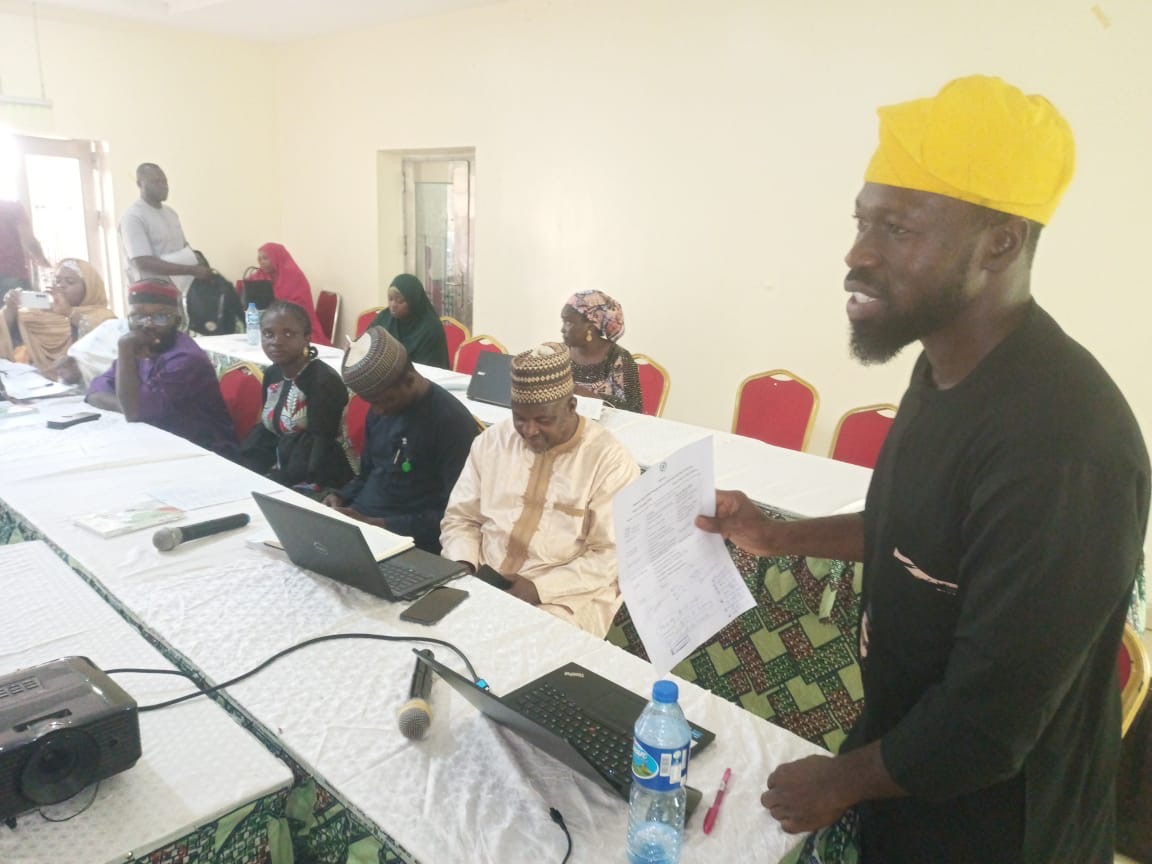
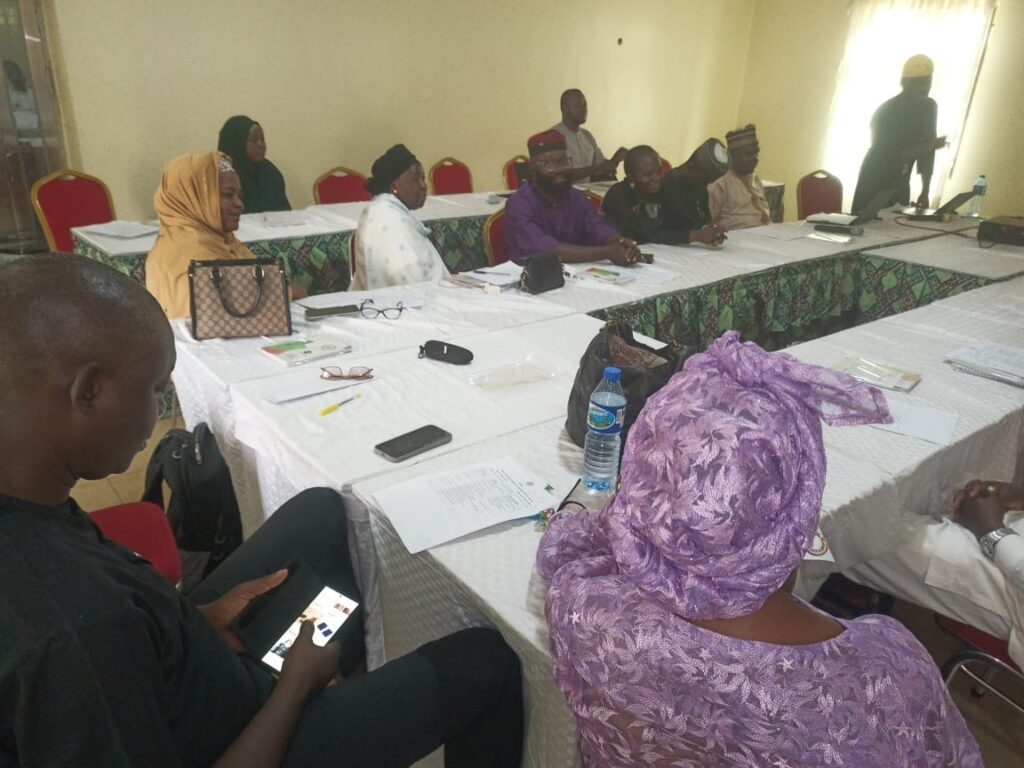
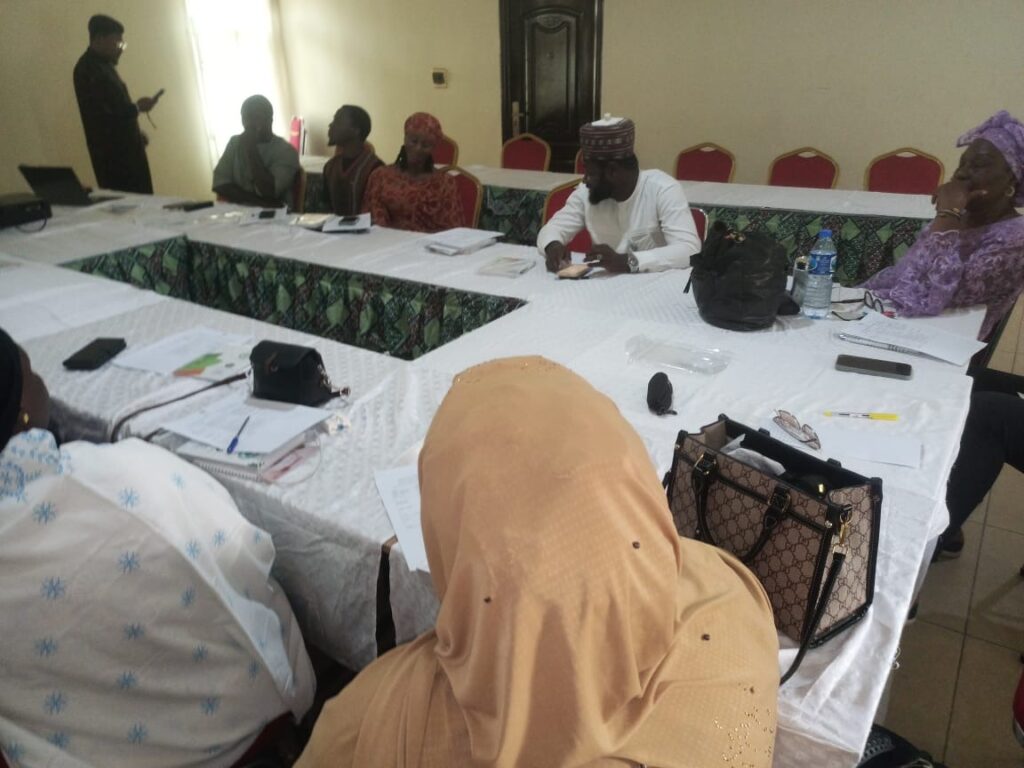
The call was made by Olushola Peters, CS-SUNN’s communication manager, during a media engagement on domestic nutrition financing in Kaduna on Thursday, while presenting the Domestic Nutrition Financing Media Kit.
Peters said journalists must move beyond reporting budget allocations and begin investigating whether approved funds are actually released and used for the intended nutrition programs.
He explained that the distinctions among allocation, appropriation, release, and use are critical to understanding whether government nutrition commitments are translating into services for women and children. A budget allocation could exist on paper without necessarily resulting in services.
The media kit raised concerns about budget performance in Kaduna, noting that the state’s nutrition budget performance averaged only 42.5 percent over the period examined. It warned that delays in financing could disrupt procurement, community outreach, nutrition commodity supplies, and other time-sensitive interventions, particularly during pregnancy and the first 1,000 days of a child’s life.
According to the investment case in the kit, Kaduna State could save an estimated 98,894 children under five between 2026 and 2030 if it scales up high-impact nutrition interventions, but would need an additional N599 billion investment to achieve the projected gains.
The investment case estimates that every N1 invested in nutrition in Kaduna could generate about N5 in economic value, making nutrition financing not only a public health intervention but also a significant investment in the state’s future human capital.
The data show that Kaduna has an estimated population of 10 million, including about two million children under five. Without additional investment, under-five mortality is projected to remain at around 107 deaths per 1,000 live births, while stunting could remain at about 37 percent.
The projected scale-up would focus on interventions including vitamin A supplementation, oral rehydration solution and zinc, breastfeeding promotion, and integrated nutrition services through primary health care facilities and community platforms.
The Kaduna figures are part of a broader five-state investment analysis covering Kaduna, Kano, Lagos, Nasarawa, and Niger. The analysis highlights both the scale of Nigeria’s nutrition challenge and the economic case for increased domestic financing.
Kano has the highest potential to save lives, with an estimated 116,469 children under five between 2026 and 2030, but would require about N1.30 trillion in additional investment. Niger State has the highest projected return on investment, with an estimated N14.60 returned for every N1 invested, while Nasarawa could generate about N12 for every N1.
Lagos presents a different challenge. Although it has a considerably lower under-five mortality rate, its large population means that more than 500,000 children are estimated to be stunted, demonstrating that low prevalence does not necessarily translate into a low absolute burden.
The media kit argued that the national nutrition challenge cannot be addressed through donor funding alone. It stressed that while development partners can provide catalytic support, sustainable nutrition programs require predictable domestic government financing, with donor resources complementing rather than replacing public investment.
One opportunity highlighted is the Child Nutrition Fund’s 1:1 matching mechanism, through which eligible domestic government funding committed and released for approved nutrition commodities and services can attract an equivalent contribution.
CS-SUNN therefore called for stronger monitoring of nutrition commodity stock-outs and greater scrutiny of how much of nutrition budgets reaches communities compared with administrative expenditures.
Among the questions recommended for policymakers are how much has been approved for nutrition, what proportion has actually been released, whether states have protected budget lines for severe acute malnutrition treatment and multiple micronutrient supplementation, and how many women and children have benefited.
The organization noted that nutrition is not solely a health-sector issue, stressing that malnutrition is closely linked to agriculture, education, water and sanitation, social protection, food systems, and women’s empowerment.
It warned that inadequate nutrition financing carries consequences beyond childhood survival, affecting cognitive development, educational outcomes, productivity, and the future workforce. Kaduna faces a stark choice: invest more predictably to prevent tens of thousands of child deaths or allow financing gaps to undermine interventions that could produce substantial health and economic returns.


