

By Femi Mustapha in Kaduna
Without reliable data, the story of recovered assets in Nigeria cannot be told with confidence, the Africa Network for Environment and Economic Justice, ANEEJ, has said.
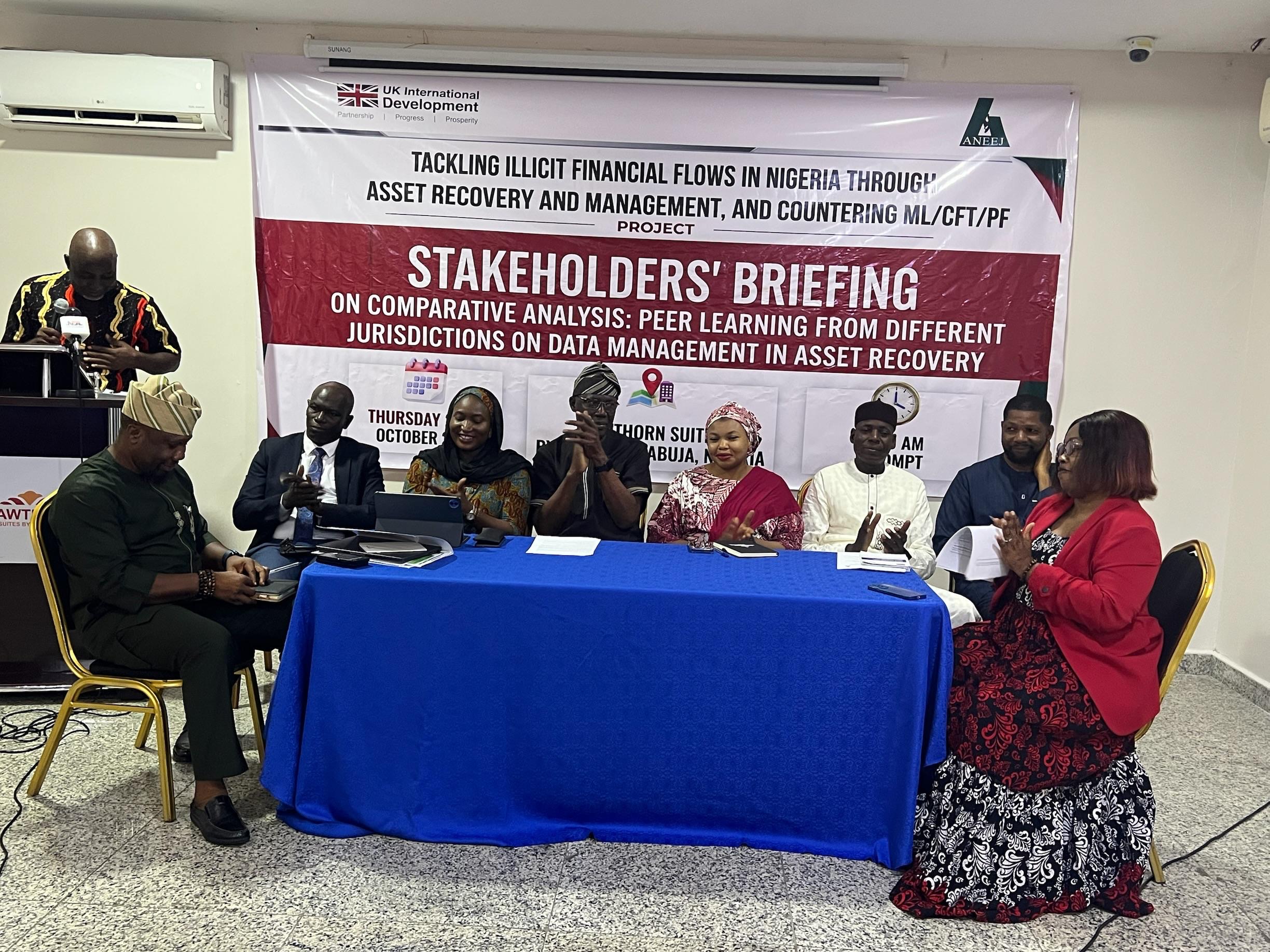
The Executive Director of ANEEJ, Rev David Ugolor, stated this on Thursday in Abuja at a stakeholder briefing on peer learning from different jurisdictions on data management in asset recovery.
Declaring the briefing open, Ugolor, represented by the Deputy Executive Director, Comrade Leo Atakpu, said that recovering an asset is only part of the task and that reliable data is critical to accountability.
According to him, stakeholders, including the courts, citizens, partners, and responsible institutions, need to know what was identified, what was frozen or seized, what was forfeited, where it is, how it is being managed, and what finally becomes of it.
He explained that ANEEJ studied how four countries with long experience – the United Kingdom, Italy, France and the United States – manage asset recovery data and compared their practices with Nigeria’s framework under the Proceeds of Crime (Recovery and Management) Act, 2022.
Ugolor noted that POCA provides Nigeria with a strong legal foundation, but its implementation still has gaps. As at April 2026, some agencies are already uploading data to the central database, while others are still finalizing access, and others have not started.
He added that the database is not yet available to the public through a user-friendly portal, and Nigeria still lacks a single persistent identifier for every asset across agencies, courts, custodians and the Treasury.
The ANEEJ boss said the report is still work in progress and urged stakeholders to review it and provide corrections before it is published, to generate practical recommendations for a transparent system.
Backing ANEEJ’s position, the British Government said effective asset recovery depends not only on strong laws but also on reliable and transparent data.
Speaking through the Illicit Finance Adviser at the Foreign, Commonwealth and Development Office (FCDO, British High Commission, Jehanzeb Khan, represented by Anicestus Atakpu, the UK said it values its long-standing partnership with Nigeria in fighting corruption and illicit finance.
Similarly, the Country Representative of the United Nations Office on Drugs and Crime, UNODC, in Nigeria, Cheikh Ousmane Touré, represented by Princess Chifiero, who leads the anti-corruption portfolio, praised ANEEJ’s consistency and said Nigeria remains a leading country in asset recovery.
Chifiero cited the launch of a national database of forfeited assets in May last year and Nigeria’s exit from the FATF grey list in October as major achievements, but cautioned that recovery is only half the job.
“What was recovered? Where is it now? Is it worth it today? And what is it being used for? Until you can answer those questions from reliable records, public confidence will continue to stay fragile,” she said, referencing Articles 31 and 57 of the UN Convention Against Corruption.
She pledged UNODC’s support through its Stolen Asset Recovery Initiative, in partnership with the World Bank and the GlobE Network.
Supporting the call for a tamper-proof system, the Director General of NAPTIP, Binta Lami Adamu Bello, OON, represented by Dr Amina Sa’idu Dauda, Senior Investigation Officer and Head of the POCA Unit, said that asset recovery is central to fighting human trafficking and that every asset recovered is justice restored.
The Inspector General of Police, Olatunji Rilwan Disu, represented by DC Ibrahim M. Musa, Head of the POCA Unit at the Force Criminal Investigation Department, described asset recovery as a hydra-headed issue, surrounded by mistrust, and welcomed civil society engagement in building stronger institutions.
The Chairman of the Code of Conduct Bureau, CCB, Dr Abdullahi Usman Bello, represented by Dr Fatima Kere Ahmed, Director of POCA in the Bureau, said recovery goes beyond tracing and seizure and requires proper documentation and preservation of asset value, calling for harmonized data management standards.
The Chairman of the ICPC, Dr Musa Adamu Aliyu, SAN, represented by Adamu Baba, Head of Asset Disposal Branch, said that recovering an asset is the beginning of the responsibility to preserve its value, noting challenges such as fragmented records, inconsistent reporting, and limited tracking beyond the point of forfeiture.
Rounding off the goodwill messages, Civil Society Adviser at the Open Government Partnership headquarters, Uchenna Arisukwu, said asset management is as critical as recovery to prevent re-looting, noting that OGP National Action Plan 4 commits asset recovery led by the Attorney General.
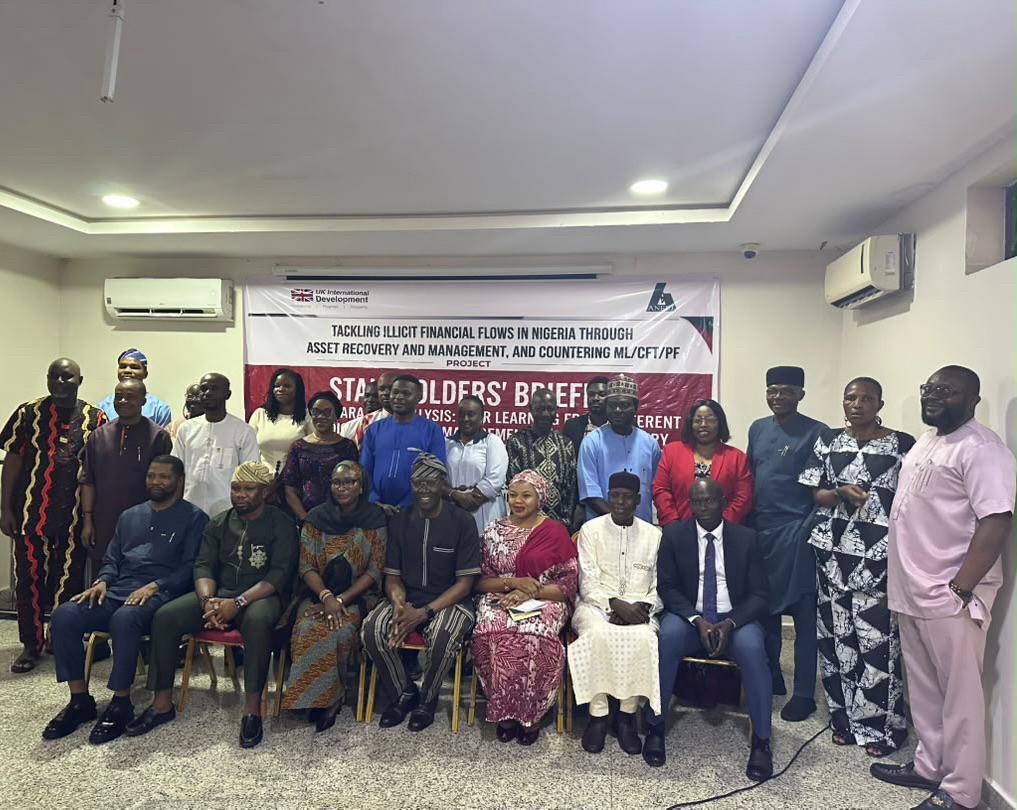
The stakeholders agreed that a connected and accountable system with common asset identifiers, documented decisions and transparent reporting will ensure that every recovered asset is traceable and properly accounted for.


