

By Femi Oyelola
Stakeholders in the education sector have pushed for an increase in the allocation to basic education in the Kaduna State 2027 budget, emphasizing gender responsiveness to boost girls’ education.
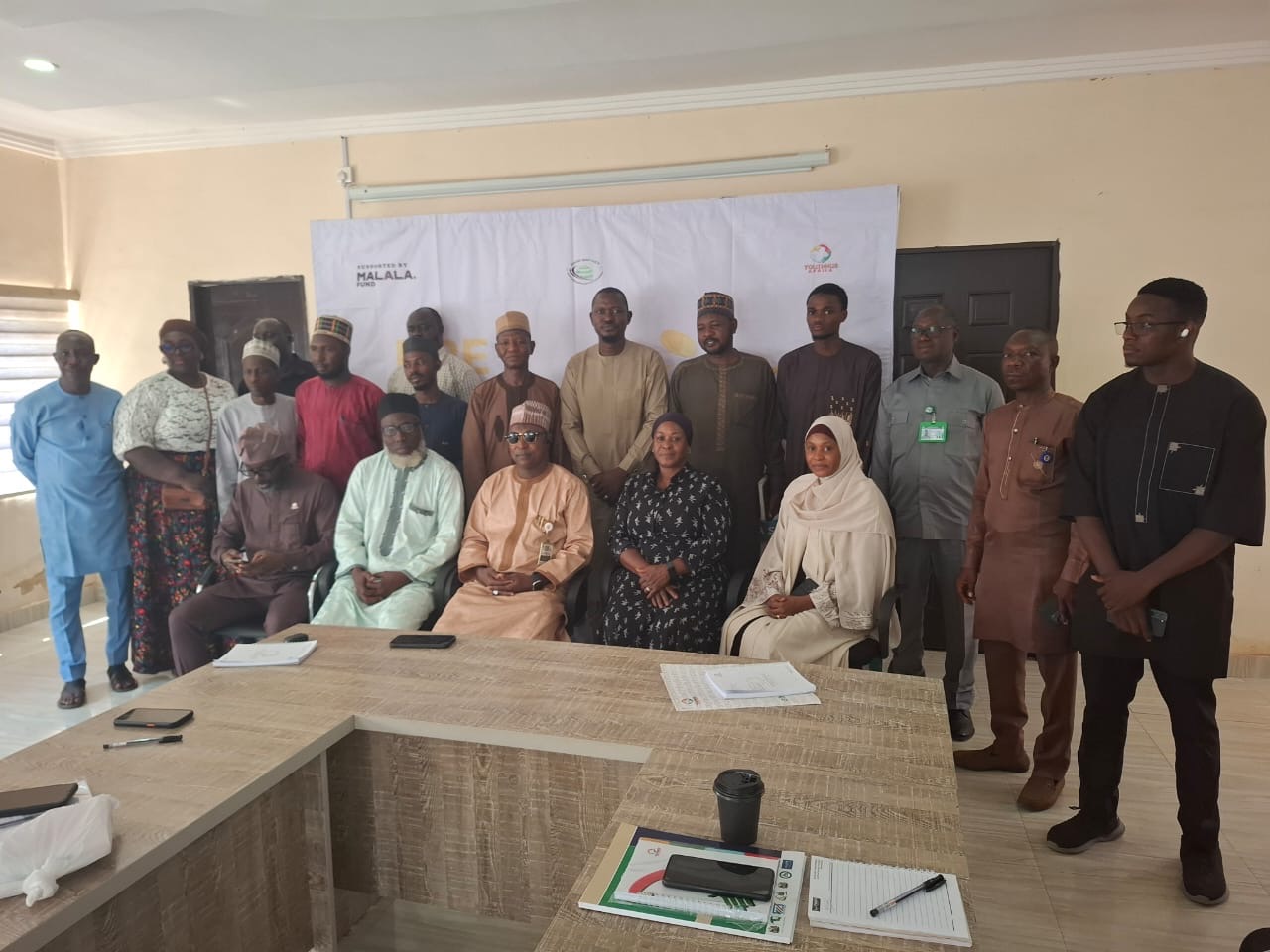
The call was made during a one-day pre-budget retreat convened by the Civic Impact for Sustainable Development Foundation in partnership with YouthHubAfrica and the Office of the Auditor General of Kaduna State.
The retreat brought together representatives of ministries, departments, and agencies (MDAs), civil society organizations (CSOs), the media, and development partners to deliberate on strategies to influence the 2027 education budget.
Declaring the retreat open, Kaduna State Auditor General Abubakar Abdullahi, FCNA, FCISM, FWAIA, ACTI, ACCrFA, said the budget is vital because it directly impacts citizens, especially in the education sector.
“This office is yours. Budget is a vital aspect of governance. To individual homes, budget is very, very critical. And when you are talking of budget now, you are relating it to something that has direct impact on citizens,” Abdullahi said.
He disclosed that his office is working to be among the few states that will undertake a specialized performance audit on out-of-school children and other aspects of education expenditure.
The Auditor-General expressed delight at hosting the program and assured participants that his doors are always open, noting that CSOs and the media help the government by reaching people and places it cannot reach.
Speaking on the objectives of the retreat, Deputy Executive Director of Programs and Operations at YouthHubAfrica, Olusegun Medupin, said the idea is to ensure citizens are part of the budgeting process because their children are in the schools.
He said the engagement seeks to ensure that education receives a good share of the overall budget and that the budget is gender-responsive, making allocations for girls’ education clearly visible.
“If you don’t know what goes to the girls, then we would not even have an idea of what goes to anybody. If because of girls you are building toilets and wash facilities, the boys will also benefit from it,” Medupin said.
He cited examples of misplaced priorities, such as a school with two classrooms for Primary 1 to 6 having 16 toilets, noting that fewer toilets could have been converted into additional classrooms.
According to him, after the retreat, the groups will embark on advocacy visits to the Ministry of Education, the Ministry of Budget and Planning, and the State House of Assembly to push for an increased allocation.
Executive Director of the Civic Impact for Sustainable Development Foundation Yusuf Goje said the goal is to develop an action plan that will leverage the 2027 budget formulation process to push for increased allocation to education, particularly girls’ education.
To avoid ending as a talk shop, Goje said a small working group will be set up to implement the plan, leveraging the technical working group on open budgets under the Open Government Partnership (OGP).
Also speaking, participant Ubaida Abdulnasir from the Center for Girls Education (CGE), Zaria, said CSOs are collaborating to ensure girls’ education is adequately budgeted for and that budget releases and procurement are monitored.
She called for strengthened scholarship programs for vulnerable girls and integration of safe space manuals into the school curriculum to improve retention and protect girls from gender-based violence.
“When they see scholarships happening, it motivates girls to want to come back to school and to stay in school. The government can look at how safe spaces can also improve retention,” Ubaida said.


