

By Femi Mustapha
Civil Society Organisations, CSOs, and stakeholders in the health sector have pushed for better funding of the health sector in Kaduna State ahead of the 2027 budget formulation process.
The demand was made at an engagement organised by the Kaduna Local Government Accountability Mechanism, KAD-LGAM, with support from the Lafiya Programme of the Foreign, Commonwealth and Development Office, FCDO.
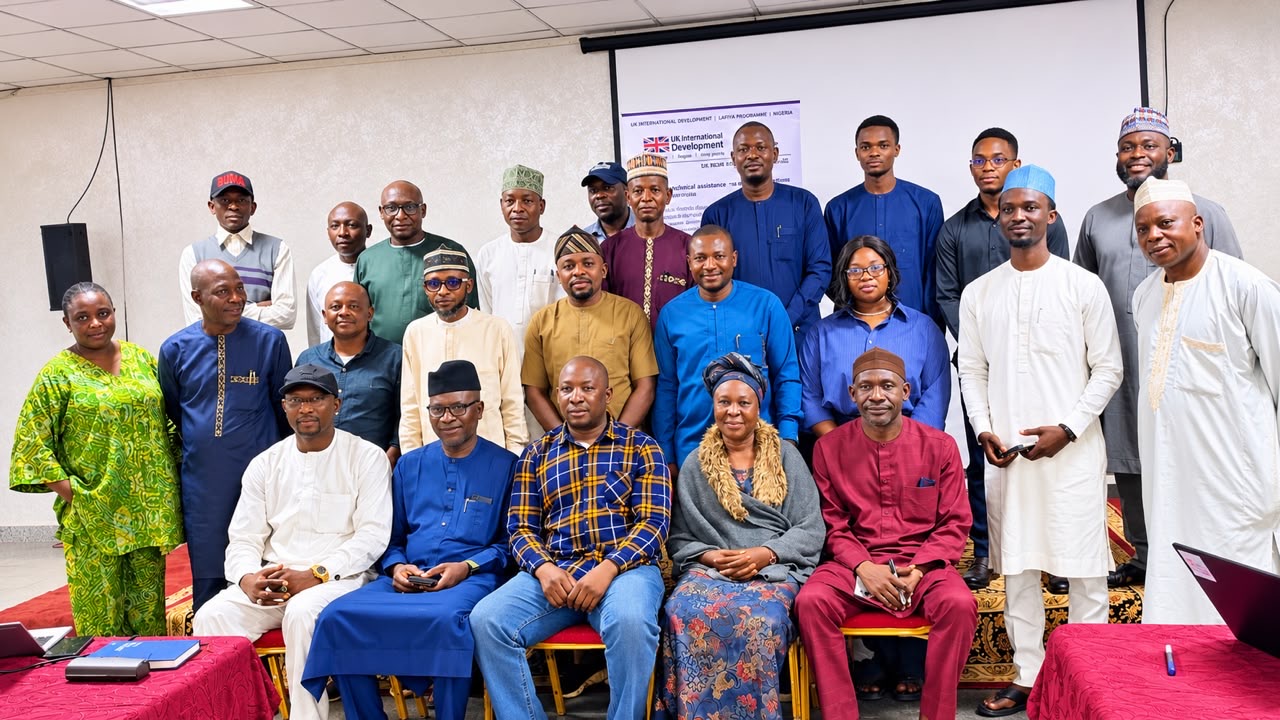
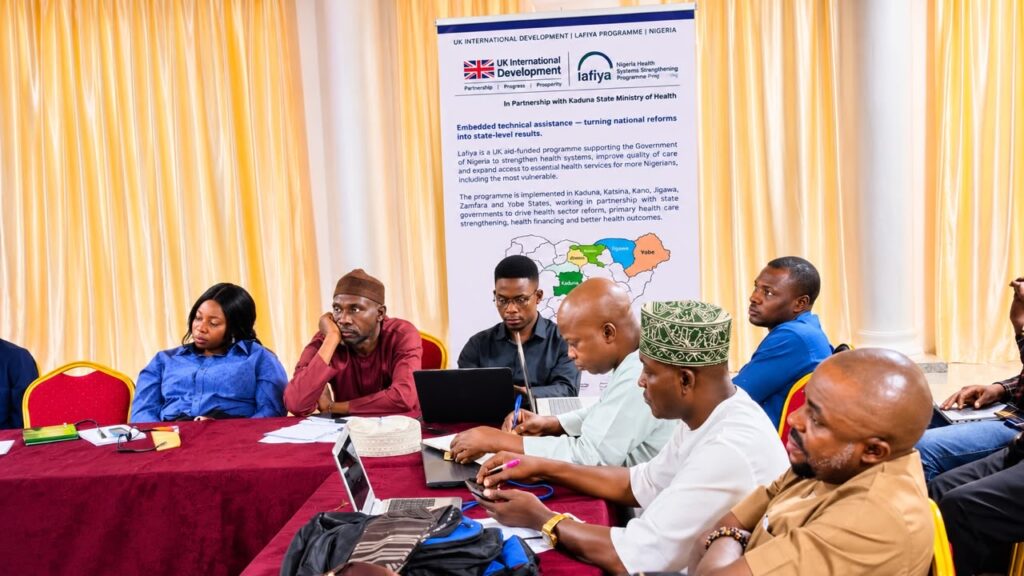
The meeting brought together civil society actors from various accountability mechanisms working in health, as well as key government ministries, departments and agencies, MDAs, in the health sector to reflect on the state’s public financial management system.
Speaking at the event, the State Team Lead for KAD-LGAM and Executive Director of Civic Impact for Sustainable Development Foundation, Yusuf Goje, said the engagement was designed to review how the public financial management system affects health sector financing.
He described health financing as a critical component of the government’s human capital development interventions, noting that the engagement would help analyse the system and identify bottlenecks hindering adequate funding.
According to him, the meeting would develop advocacy briefs to be used to advocate for increased financing in critical areas such as human resources for health, sexual and reproductive health and rights, and child and maternal mortality.
“We hope to really analyze the state public financial management system as well as that of the health sector, identify some of the bottlenecks and some of the advocacy issues, and then develop advocacy briefs that we would use in advocating for increased financing,” Goje said.
He expressed hope that the advocacy briefs would be presented during the pre-draft budget town hall meeting with the governor and at the public hearing at the State House of Assembly as part of engagements for the 2027 budget.
Goje explained that the engagement would help each stakeholder clearly identify their role in the financial system and what they need to do to ensure adequate financing for the health sector.
He expressed worry over the state’s third quarter budget performance, noting that a lot still needs to be done to finance critical areas, as poor releases and cash backing mean residents’ health needs will go unmet.
He said bringing different accountability mechanisms together, rather than working individually, would enable civil society to engage government constructively and push for further prioritization of investments in the health sector.
On the expected outcome, Goje said improved budget releases and cash backing would lead to more upgrades of healthcare facilities, more equipment and more personnel for quality healthcare service delivery.
He urged participants to go beyond talk shops and play their roles as equal stakeholders in nation building, stressing that citizens must fulfil their responsibilities alongside leaders.
Also speaking, the Healthcare Financing Officer with the State Ministry of Health, Gideon Yakubu, described the gathering as a welcome development and thanked Governor Uba Sani for creating an enabling environment for collaboration.
Yakubu said the engagement provided an opportunity to share the government’s good practices, adding that Kaduna has recorded tremendous improvement in healthcare delivery at primary, secondary and tertiary levels.
“Today, nationally, Kaduna State can beat its chest and say we are one of the best in terms of healthcare delivery in the nation,” Yakubu said, calling for sustenance of the relationship between government and civil society for the progress of the state.


