

By Femi Mustapha in Kaduna
Kaduna State’s primary healthcare system is showing signs of progress, but a rising number of unvaccinated children threatens to reverse those gains.
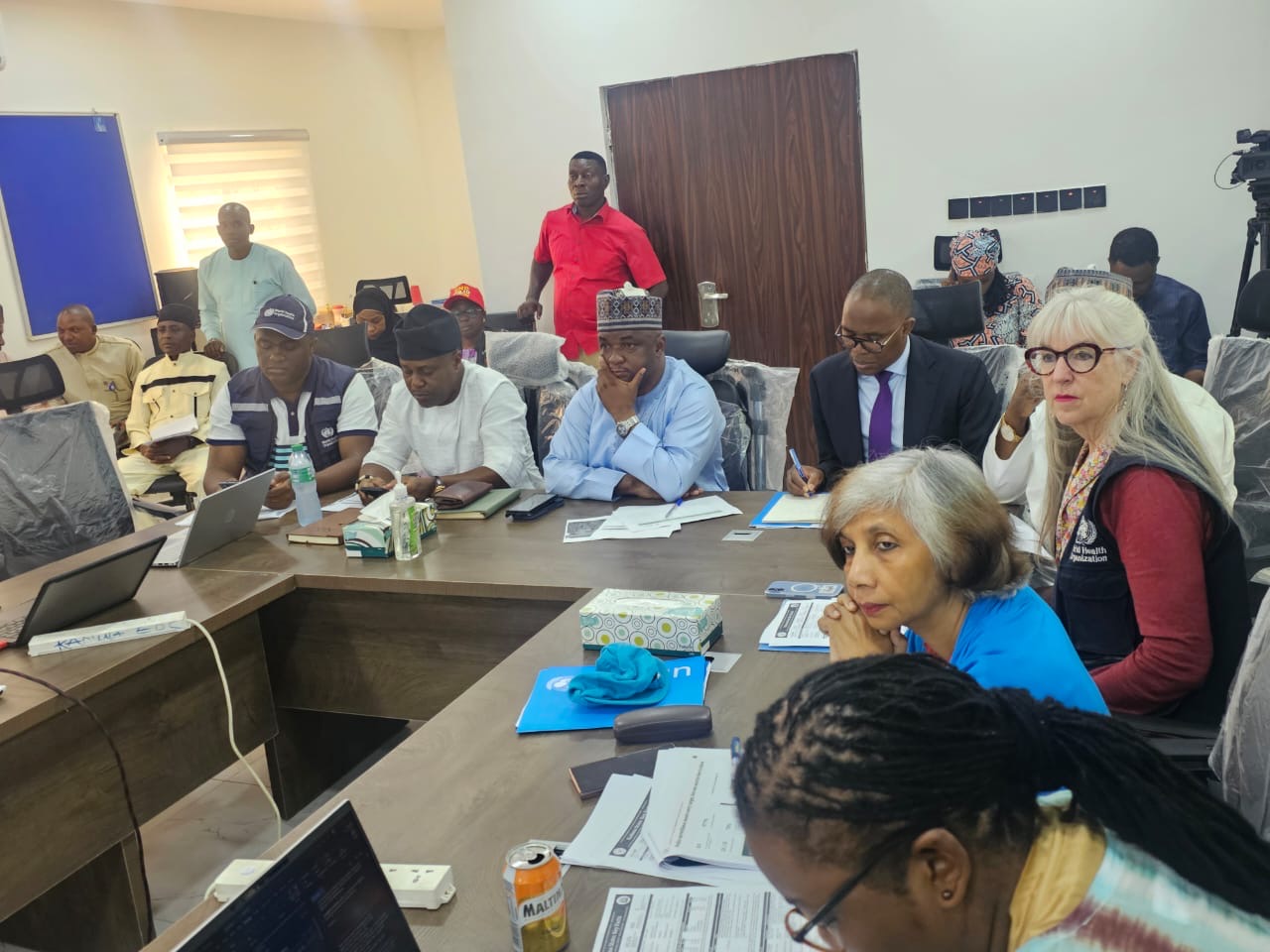
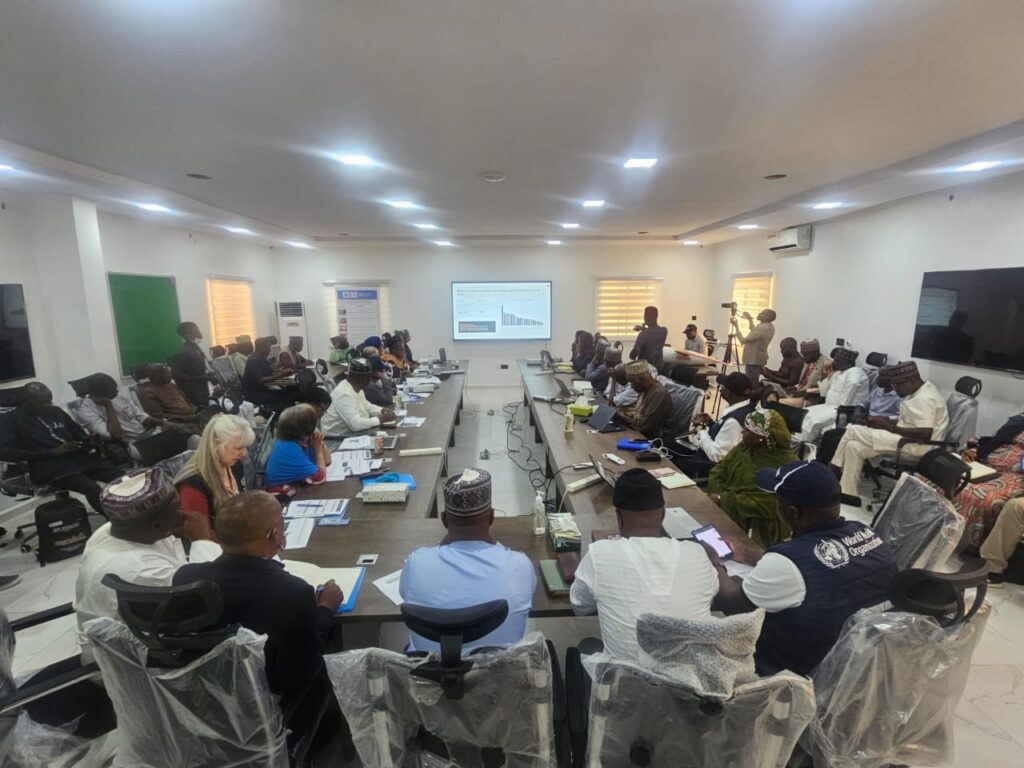
This was the central concern as a high-level immunization delegation comprising Gavi, the Vaccine Alliance; the World Health Organization (WHO); UNICEF; and the National Primary Health Care Development Agency (NPHCDA) visited the state on Monday.
The delegation was received by the Executive Secretary of the Kaduna State Primary Health Care Board, Professor Bello Jamoh, who said that, compared with the 2018 National Demographic and Health Survey, the state had improved infant and neonatal mortality rates, healthcare utilization, and skilled birth attendance.
Professor Jamoh, however, said the state continues to face a major challenge with the increasing number of zero-dose children—children who have never received any routine immunizations.
He explained that the situation has contributed to the state’s vulnerability to outbreaks of vaccine-preventable diseases, particularly diphtheria, and stressed the need for coordinated interventions to close immunization gaps.
According to him, the state has conducted diagnostic assessments and proposed key strategies to address the challenges. He added that discussions with the visiting delegation had produced jointly developed action plans with clearly assigned responsibilities.
He said the state government, under Governor Uba Sani, has demonstrated the political will to strengthen primary healthcare delivery. He expressed optimism that partnerships with development partners would yield sustainable results.
Gavi Chief Country Delivery Officer Thabani Mphosa commended the Kaduna State Government for its transparency and willingness to acknowledge existing challenges and work with partners to address them.
Mphosa identified insecurity as one of the factors affecting healthcare delivery but acknowledged initiatives such as the DRIVE program, which is helping to address vaccine stockouts.
He noted that the state’s clearly defined 2+2 development agenda makes it easier for partners to align their interventions. Still, he stressed the need for better coordination and discipline in implementing agreed-upon programs.
Also speaking, UNICEF Deputy Representative in Nigeria Rownak Khan said the delegation was impressed by the services observed at health facilities, including routine immunization, nutrition, adolescent health, and family planning.
She, however, expressed concern about the number of children who had not received any routine vaccine doses, warning that failure to close the gaps could expose communities to outbreaks of diphtheria, measles, and other preventable diseases.
Khan called on the state government to adequately fund healthcare services and implement its plans to improve routine immunization.
She disclosed that UNICEF’s support to Kaduna included an innovative vaccine delivery approach that had helped reduce vaccine stockouts from almost 80 percent to 25 percent. She added that the organization would sustain its support for vaccine delivery and polio eradication.
The Director of Disease Control and Immunization at NPHCDA, Dr. Garba Ahmed Rufai, said the delegation’s engagement with residents of the Bakallahu community in Igabi Local Government Area provided an opportunity to understand the community’s perspectives on immunization.
He said a recent disease outbreak in the community, which reportedly claimed the lives of five children, had increased residents’ awareness of the dangers of immunization gaps.
Rufai commended the community leader for mobilizing ward heads, husbands, and other male household members to ensure children received their scheduled vaccinations, describing the involvement of men as an important development.
Similarly, the Director of the WHO Department of Immunization, Vaccines and Biologicals, Dr. Kate O’Brien, said interactions with mothers, fathers, and community leaders provided insights into how residents valued immunization.
She said that while several mothers had fully vaccinated their children, others still needed to complete their schedules, emphasizing that vaccines remain safe and life-saving.
The delegation also visited the Primary Healthcare Center in Sabon Tasha, Chikun Local Government Area, where members assessed service delivery and interacted with healthcare workers.
The visit was part of efforts to assess Kaduna’s immunization program, identify gaps in primary healthcare delivery, and strengthen collaboration between the state government and development partners ahead of the Joint Annual Review.


