

By:Femi Mustapha
A pioneering initiative is currently underway in Kaduna State to address the interconnected challenges of climate change, environmental degradation, and gender inequality.
Climate change is profoundly affecting vulnerable populations, particularly women, children, and people with disabilities. Rising temperatures and unpredictable rainfall patterns are worsening food insecurity, water scarcity, and health issues in these communities.
In Zango Kataf, women are struggling to cope with the effects of climate change on agriculture, which is their primary source of livelihood.
Decreased crop yields and reduced income are further entrenching poverty, while water scarcity forces women and children to travel longer distances for clean water, exposing them to both physical and psychological distress. Children are disproportionately affected, with 110 million Nigerian children at risk due to climate change.
People with disabilities face unique challenges, as climate disasters highlight existing discrimination, poverty, and healthcare issues.
They are often excluded from climate decision-making processes, and policies frequently overlook their needs. In Kaduna, women with disabilities are particularly vulnerable, facing significant barriers to accessing relief, healthcare, and education.
The Women Empowerment and Climate Resilience Initiative (WECRI)
is addressing these challenges through a six-month pilot project focusing on Zaria, Chikun, and Zango Kataf. The initiative aims to strengthen women’s groups by improving advocacy skills, providing energy-efficient cookstoves, and promoting economic growth opportunities.
Joseph Onoja from the Nigeria Conservation Foundation (NCF) emphasizes that journalists can help translate complex climate science into engaging stories that resonate with the community.
By highlighting the impacts of climate change on women, children, and people with disabilities, journalists can raise awareness and inspire action. Jonah Birga presents local case studies and deforestation data, revealing that Nigeria loses approximately 350,000 to 400,000 hectares of forest annually.
The initiative calls on stakeholders to unite in addressing climate change, protecting nature, and promoting gender equality.
As Onoja aptly states, “Forests don’t speak—journalists give them a voice.” Journalists have a responsibility to amplify the voices of vulnerable populations and hold decision-makers accountable.
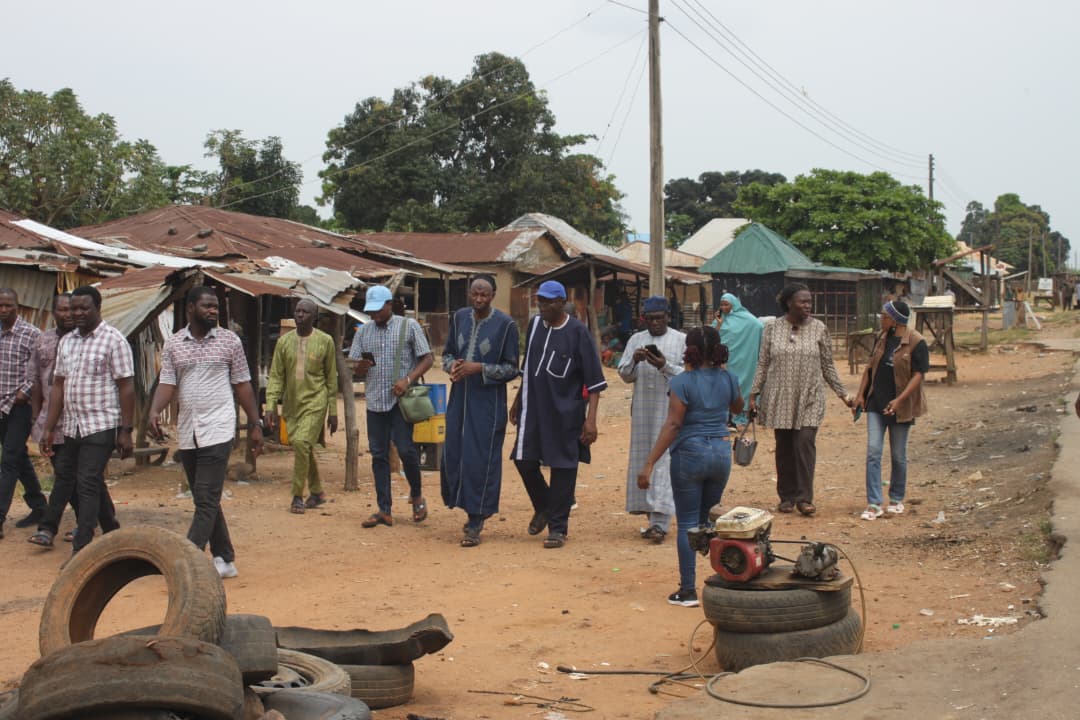
In fulfillment of their duty, environmental and climate change journalists recently embarked on a fact-finding mission to Idon Community in the Kajuru Local Government Area of Kaduna State. This community is associated with charcoal selling, which is a thriving business for many residents who rely on it for their livelihood.
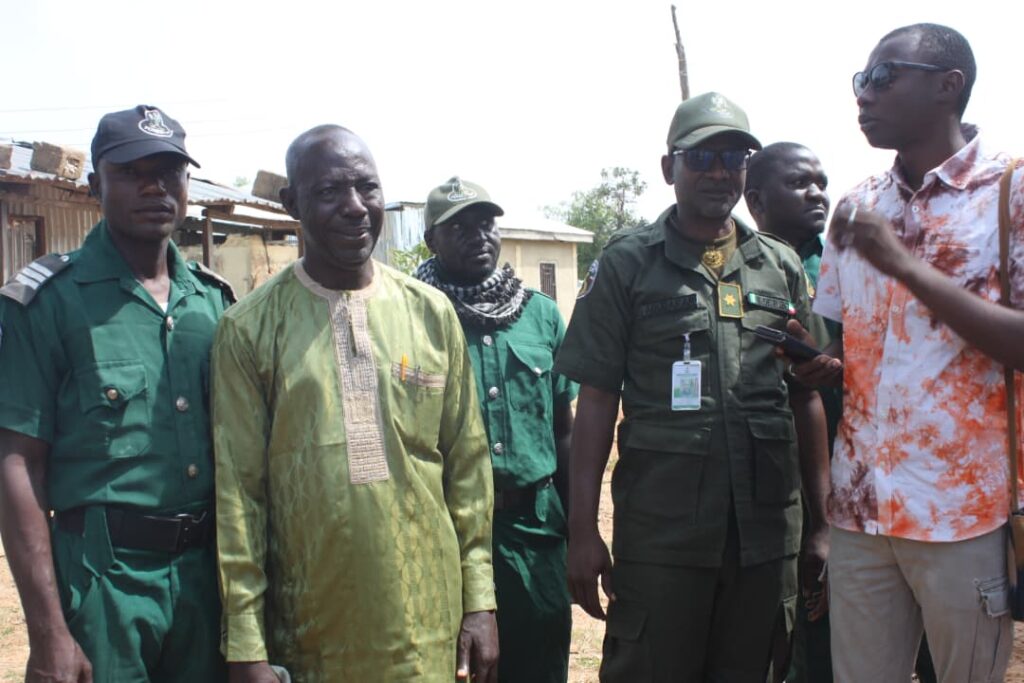
Despite environmental concerns, the trade persists, driven by economic necessity and a lack of alternative income sources.
Frank Bala, a charcoal vendor, claims to sell up to 50 bags of charcoal every day, emphasizing that charcoal selling is a means of survival.
He states, “The income generated from charcoal sales helps meet basic needs, such as food, shelter, and education.”
Investigations in the area revealed that some residents may not fully understand the environmental implications of charcoal production. Limited access to education and awareness campaigns contributes to a lack of appreciation for the long-term consequences of deforestation and environmental degradation.
Charcoal has been a traditional energy source in Nigeria for centuries, with many households relying on it for cooking. The cultural significance of charcoal selling is deeply ingrained in local communities.
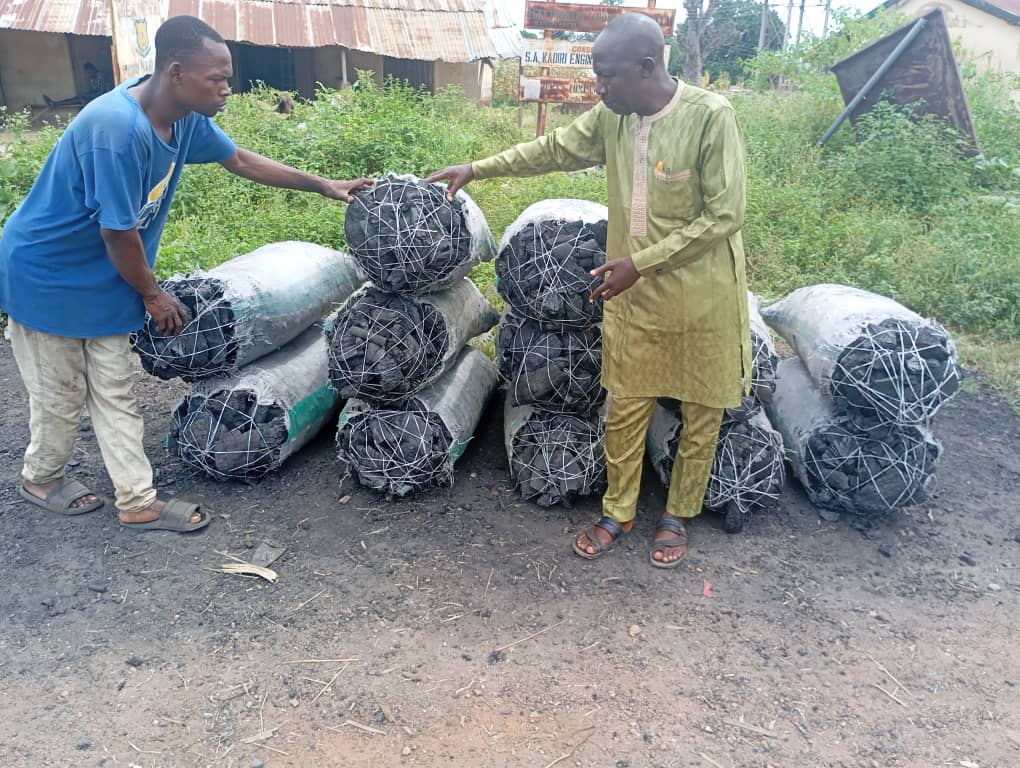
“In some areas of Kaduna, access to alternative energy sources, such as electricity or gas, is limited. Charcoal becomes a convenient and affordable option for cooking and other domestic needs,” Bala explains.
Poverty and unemployment are significant drivers of charcoal selling in Kaduna. With few job opportunities, people turn to this business as a means of economic survival, despite its environmental costs.
While the Kaduna State government has implemented policies to regulate charcoal production, enforcement remains a challenge. Issues such as corruption, lack of resources, and inadequate infrastructure hinder effective implementation.
Charcoal production contributes to deforestation, soil erosion, and loss of biodiversity. The resulting environmental degradation has severe consequences, including climate change, reduced agricultural productivity, and negative impacts on human health.
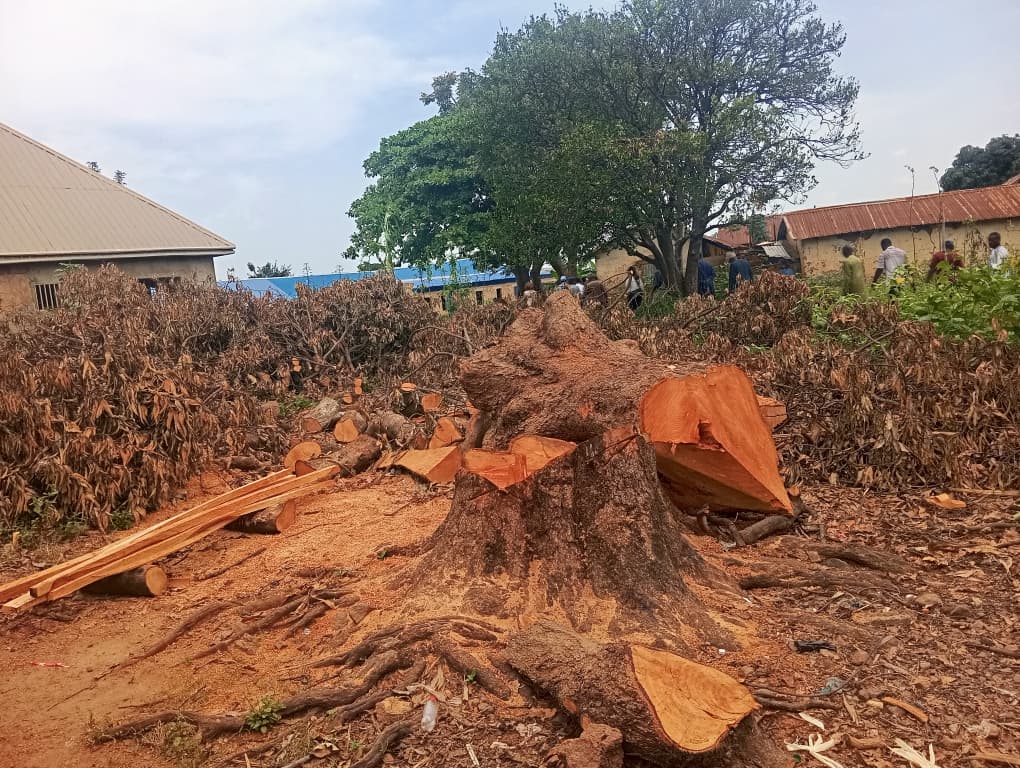
Inhaling charcoal smoke can lead to respiratory problems, cardiovascular disease, and other health issues, disproportionately affecting women and children who often bear the cooking responsibilities
Poverty and unemployment are significant drivers of charcoal selling in Kaduna. With limited job opportunities, many people turn to this business as a means of economic survival, despite the environmental costs.
Although the Kaduna State government has implemented policies to regulate charcoal production, enforcement remains a challenge.
Corruption, lack of resources, and inadequate infrastructure hinder effective implementation.
Charcoal production contributes to deforestation, soil erosion, and loss of biodiversity. This environmental degradation has severe consequences, including climate change, reduced agricultural productivity, and negative impacts on human health.
In response to this situation, Godwin Micheal, Assistant Director of Forest Resources at the Ministry of Environment, highlights the forest conservation efforts initiated by former Governor Mallam Nasir Ahmed El-Rufai’s declaration of a state of emergency in forestry activities in 2015. The goal was to protect the forest, conserve vegetation, and ensure systematic exploitation.
However, Michael notes that insecurity and lack of resources hinder the effectiveness of forest guards and rangers. Illegal activities, such as charcoal production and tree cutting, persist, with 90% of confiscated goods coming from neighboring states.
The ministry has established checkpoints and collaborates with the police to monitor these activities.
Michael appeals for support in the tree planting campaign, which has been disrupted by insecurity.
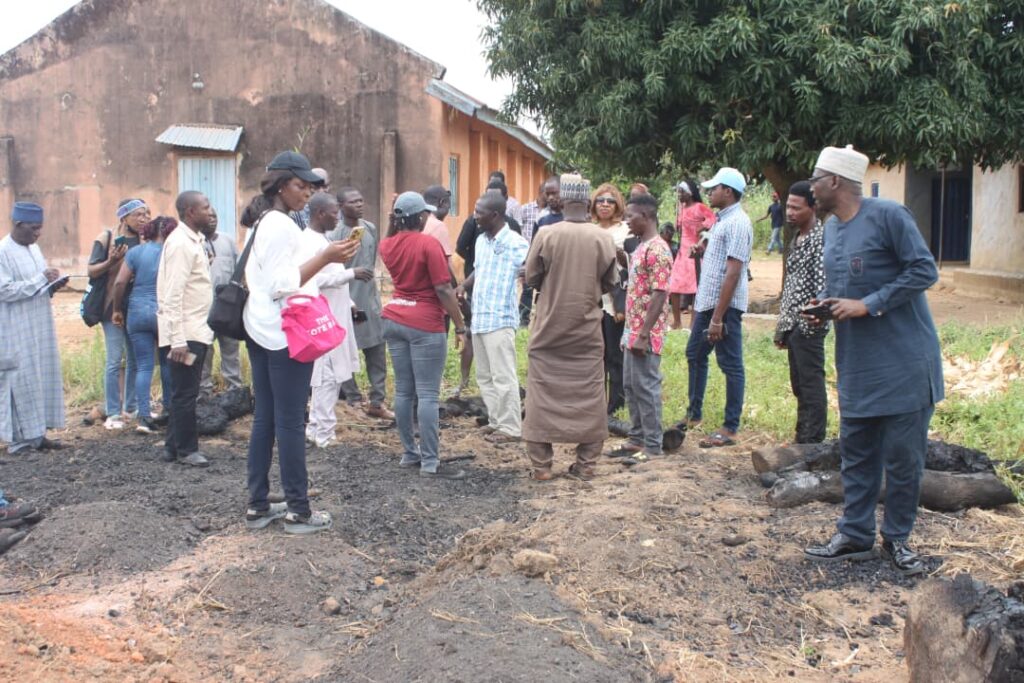
Similarly, Inuwa Abubakar, the Chief Ranger of the Kajuru Division of Forestry, echoes this call, citing a lack of mobility, firearms, and equipment as major challenges. He urges government intervention to address these issues and enhance forest protection.
Organizations such as Bridge the Gap Initiatives are working to raise awareness about the environmental impacts of charcoal selling. Their initiatives include training women on alternative livelihoods and promoting sustainable energy sources.
Gloria Bulus, the Executive Director of Bridge the Gap Initiatives, highlights her organization’s efforts to address environmental issues in Kaduna State.
She mentioned that the initiative is part of the PACE program, funded by FCDO and the Nigerian government, which organized a workshop that brought together civil society and journalists to identify key concerns, including deforestation, waste management, and poor awareness.
Bulus explained that the initiative aims to build journalists’ capacity to report on climate change and environmental issues. She emphasized the crucial role journalists play in amplifying voices and driving change, crediting her own success to journalists who supported her, including her late father.
The training is expected to enhance reporting on climate change and environmental challenges.
She disclosed that future plans include tree planting and training women on livelihood skills. “Our organization is committed to driving change and promoting sustainability in Kaduna State. Journalists are encouraged to take the lead in reporting environmental issues and advocating for action.”
Addressing the complexities of charcoal selling in Kaduna requires a multifaceted approach. This includes promoting alternative energy sources, supporting sustainable livelihoods, and implementing effective policies and enforcement mechanisms to protect the environment.
.


