

By: Femi Mustapha
A two-day Health Sector External Retreat organised by the Niger State Ministry of Health has highlighted deep-seated challenges in the state’s health sector, including poor coordination, workforce shortages, and low domestic funding.
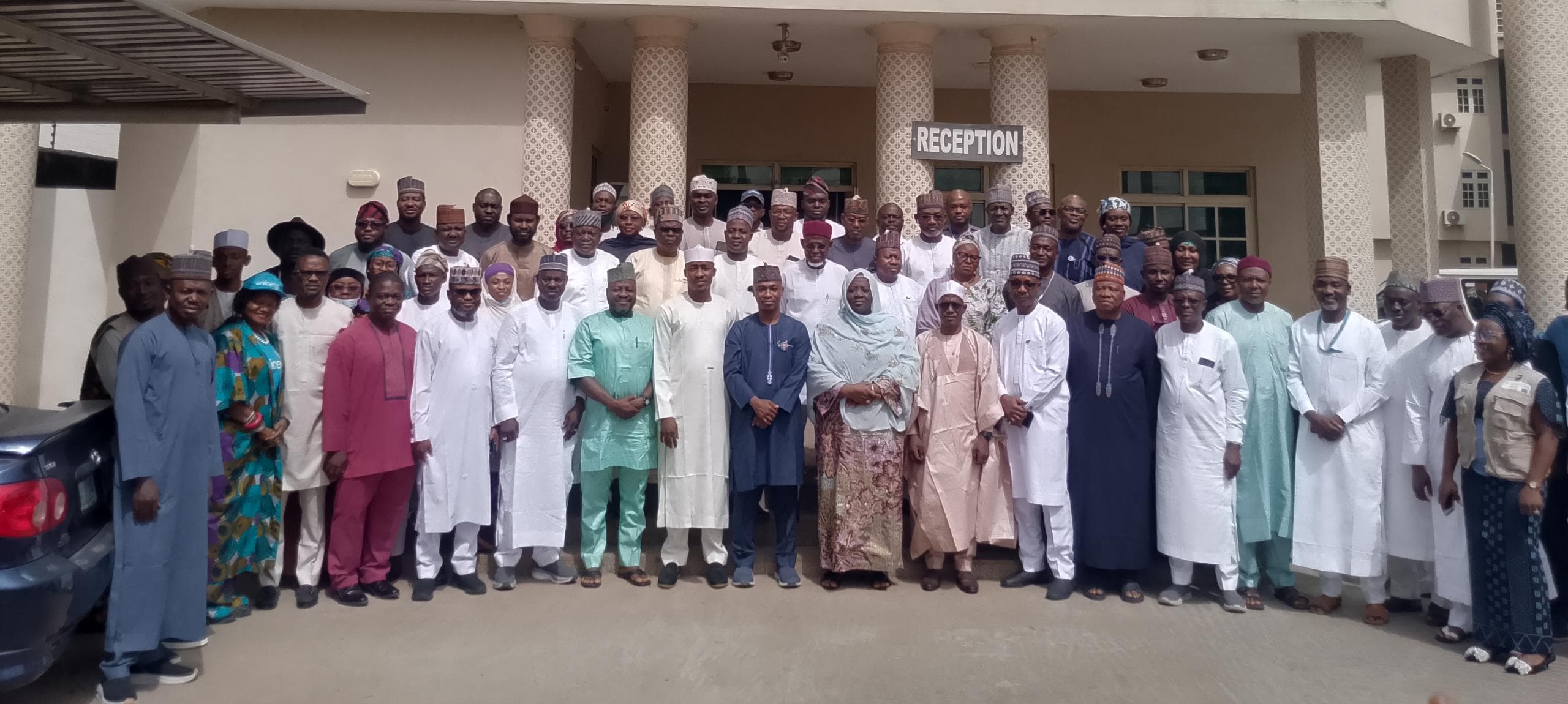
The retreat, held in Kaduna and supported by UNICEF, brought together government leaders, legislators, and development partners to address these issues and chart a path forward.
The Governor of Niger State, Mohammad Umaru Bago, said that despite multiple interventions, the sector continues to struggle with fragmented planning, overstretched personnel, and unsustainable reliance on partner funding.
Represented by the Head of Service, Abubakar Sadiq, the Governor announced decisive reforms, including closer alignment of the Ministry of Primary Health Care with planning, budgeting, and fiscal institutions to eliminate duplication and waste.
The Honourable Commissioner for Health, Dr. Murtala Babagana, described the sector’s biggest challenge as an “execution crisis,” citing a lack of effective coordination among state ministries, local governments, federal agencies, and development partners.
This disconnect has resulted in scattered projects, duplicated efforts, and weak accountability for results.
The retreat aims to align all partners around the New Niger Health Agenda and a single Annual Operational Plan, using evidence from the ongoing National Health Survey to guide priorities and correct inefficiencies. Stakeholders are working toward a harmonized, costed implementation plan, a shared monitoring and accountability framework, and clearer, more precise specification mechanisms across MDAs, LGAs, and partners.
Key areas of focus include human resources for health, with workforce gaps, declining morale, and the premature exit of experienced professionals, all of which are weakening service delivery.
The state is considering structured engagement of retired health workers on contract, improved welfare and retirement benefits, and stronger regulation of private health facilities.
Speaking to the media, the Health Specialist at the UNICEF Kaduna Field Office, Dr. Idris Baba,
said UNICEF is set to support Niger State’s health sector reform efforts, focusing on improved planning and coordination.
Dr. Baba emphasized that UNICEF’s support will focus on strengthening the health system, particularly in planning and coordination, to achieve better health outcomes.
“One of the areas that UNICEF actually supports is around the health system strengthening,” Dr. Baba said. “And one of those areas that was unveiled here is the issue of improved planning and coordination.”
He noted that the state’s efforts to bring health services under one roof, as highlighted by the Commissioner, Chairman of the House Committee on Health, and the Representative of the Governor, are crucial to achieving this goal.
Dr. Baba stressed that addressing issues such as water and sanitation, diarrheal diseases, malaria, and malnutrition requires a coordinated approach involving all government agencies. “If we don’t do very well around water and sanitation, the issue of diarrheal diseases, the issue of malaria and other things, which is a cycle of malnutrition, we can’t break through,” he said.
UNICEF’s support will focus on improving coordination and planning among government agencies to achieve better health outcomes. “UNICEF is really coming strongly in terms of supporting coordination and planning,” Dr. Baba said.


