

By:Femi Mustapha
Anaemia is a ticking time bomb that threatens the health and well-being of millions of Nigerians, particularly women and children, as the country grapples with an alarming anaemia crisis.
The situation is dire, with 67 out of 100 women in the country suffering from anaemia. The severity of the crisis highlights the devastating consequences of anaemia, including complications during childbirth, low-birth-weight babies, and even death.
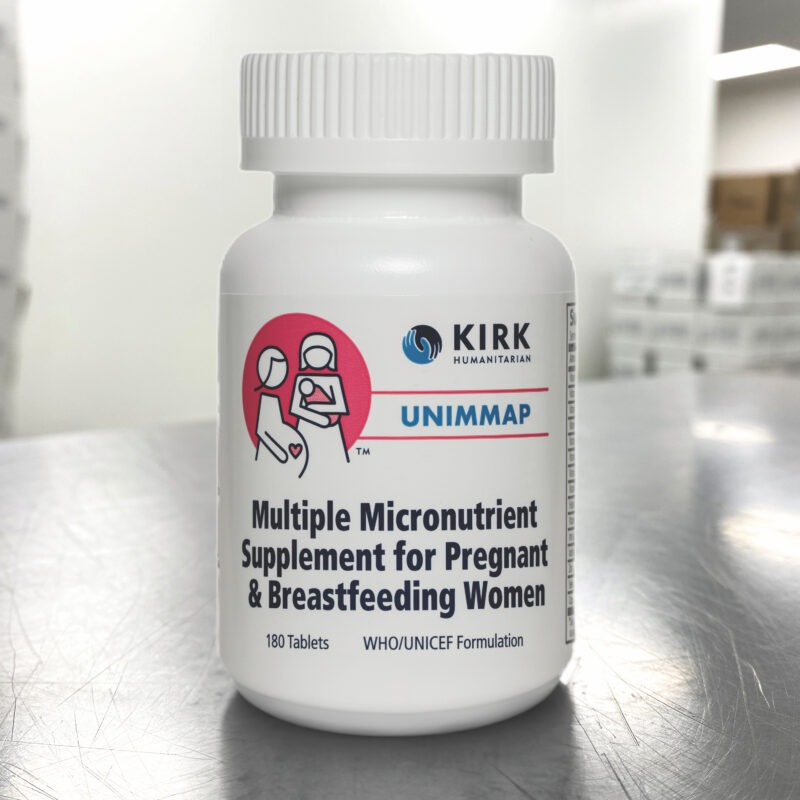
The fight against anaemia is gaining momentum, thanks to the introduction of Multiple Micronutrient Supplements (MMS).
This innovative solution has been a game-changer in the country’s efforts to combat anaemia, particularly among pregnant women and children.
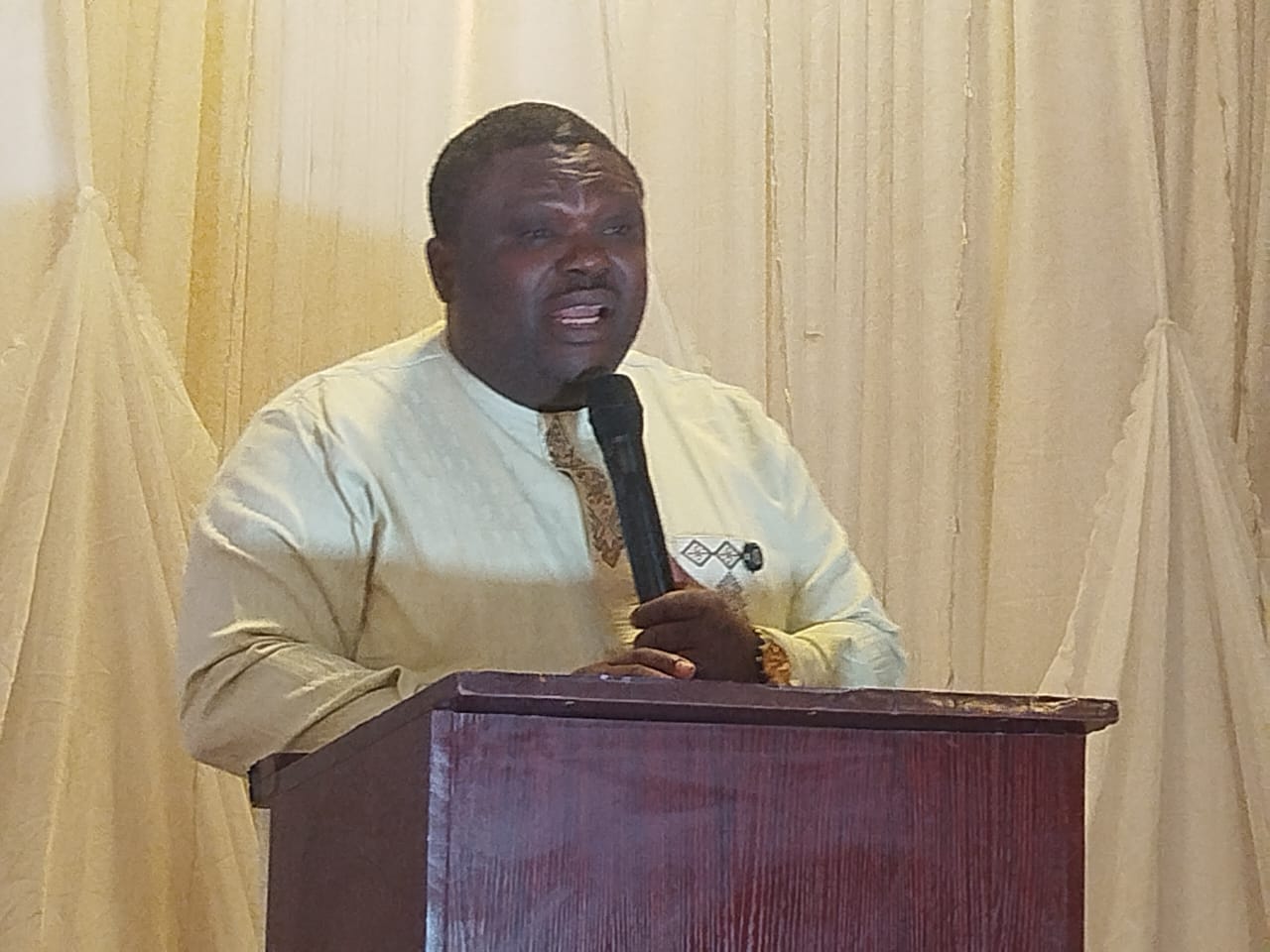
Speaking at a three-day capacity-building workshop on strengthening the media’s role in anaemia prevention in Nigeria, organized by CS-SUNN, Mr. Sunday Okorokwo, Executive Director of Civil Society Scaling Up Nutrition in Nigeria (CS-SUNN), stressed that MMS provides essential vitamins and minerals, including iron, folic acid, and other crucial nutrients, to individuals who are deficient in these micronutrients.
The impact of MMS, according to Mr. Okorokwo, has been remarkable. Studies have shown that MMS can reduce anaemia rates by up to 30% in pregnant women and improve birth outcomes.
In Nigeria, the introduction of MMS has been a significant step towards addressing the country’s anaemia crisis.
Mr. Okorokwo added that supplements are being distributed to pregnant women through antenatal care services, and the results are encouraging.
Women who have taken MMS report improved health outcomes, and healthcare providers are noticing a significant reduction in anaemia-related complications.
One of the key benefits of MMS is its ability to address multiple micronutrient deficiencies simultaneously. In Nigeria, where diets are often lacking in essential nutrients, MMS helps fill the gap.
The supplements, according to Mr. Okorokwo, are also easy to administer, making them a practical solution for healthcare providers.
“The Nigerian government has recognized the potential of MMS and has made it a key component of its anaemia prevention strategy.
“MMS has been effective in reducing anaemia rates and improving birth outcomes,” Mr. Okorokwo said.
However, access to MMS is limited, and more needs to be done to make it available to all who need it.
The Child Nutrition Fund (CNF), Mr. Okorokwo explained, is another initiative making a difference by providing funding for nutrition interventions, including the procurement of MMS and other essential commodities.
Despite the progress made, funding is inadequate, and more needs to be done to address the scale of the problem. Administrative bottlenecks are also hindering progress, with commodities often stuck in warehouses and healthcare facilities lacking the resources to distribute them to those who need them.
“This is unacceptable, and the government must take urgent action to address these issues,” Mr. Okorokwo said.
Mr. Okorokwo calls for increased funding for nutrition interventions, improved access to MMS, and the resolution of administrative bottlenecks.
The CS-SUNN Executive Director disclosed that other measures put in place to fight the anaemia menace include the launch of initiatives such as the National Nutrition Policy and the Scaling Up Nutrition (SUN) movement.
“Community-based nutrition programs are also playing a key role in promoting dietary diversity and increasing access to nutrient-rich foods,” he added.
According to Mr. Okorokwo, the situation is dire, with 67 out of 100 women in the country suffering from anaemia. Speaking at the workshop, Mr. Okorokwo emphasized the severity of the crisis, highlighting the devastating consequences of anaemia, including complications during childbirth, low-birth-weight babies, and even death.
“The possibility of a woman losing her life during childbirth is very high,” he warned.
The CS-SUNN Executive Director stressed that the situation is not limited to pregnant women, as children, adolescent girls, and boys are also vulnerable to anaemia.
“The consequences are far-reaching, affecting not only the health of individuals but also the country’s economy and development.”
He said.
Mr. Okorokwo attributes the menace to a combination of factors, including poor diet, lack of access to healthcare, and socioeconomic inequality. “Many Nigerians rely on staple foods that are high in carbohydrates but low in essential micronutrients like iron and folate,” he explained.
The Nigerian government, Mr. Okorokwo urged, must take urgent action to address the anaemia crisis. “We must prioritize anaemia prevention and treatment, promote dietary diversity, engage with communities, and hold our leaders accountable,” he said.
The time to act is now, and Nigeria must work together to make the country anaemia-free. “We owe it to ourselves, our children, and future generations to tackle this crisis head-on,” Mr. Okorokwo emphasized.
There is no doubt that the
Multiple Micronutrient Supplements (MMS) have been a game-changer for maternal health in Nigeria
The Federal Government, in collaboration with UNICEF and other partners, has distributed over 3 million bottles of MMS to pregnant women across the country since 2024, with an additional 3 million bottles received in 2025.
This initiative has the potential to save countless lives. MMS has been shown to reduce anaemia in pregnant women by 13-19%, which is crucial since anaemia is a leading cause of maternal mortality in Nigeria
MMS can reduce low birth weight by 19% and preterm birth by 13%, ensuring healthier babies.
MMS contains 15 essential vitamins and minerals, including iron, zinc, and folic acid, which are vital for maternal health.

In Nigeria, where approximately 12 million pregnancies occur annually, MMS can make a significant impact. The government aims to increase MMS coverage to 60% by 2028, which could potentially save thousands of lives
Mrs. Joy Desmond, a beneficiary in Abuja, testified that MMS improved her health outcomes during pregnancy.
Similarly, a Nurse at a health facility in Bauchi State, Amina Abubakar, said over 25,000 pregnant women received MMS, with many reporting improved health and safer deliveries.
According to the State Nutrition Officer (SNO) of Kaduna State, Ramatu Musa Haruna, Multiple Micronutrient Supplements (MMS) have significantly improved pregnancy outcomes in Kaduna State, Nigeria
According to her, the State Primary Health Care Board (SPHCB) and UNICEF are scaling up MMS distribution to prevent anaemia, which affect,s 76.1% of women and children under five in the state.
Speaking at a formal event recently, the nutrition specialist at UNICEF Kaduna field office, Chinwe Ezeife, emphasized that MMS contains 15 essential vitamins and minerals, including iron, zinc, and folic acid, crucial for maternal health, saying it can reduce anaemia in pregnant women by 13-19% and low birth weight by 19%.
The Kaduna State government, under the leadership of Governor Uba Sani, has prioritized maternal and child health, allocating 15% of its budget to the health sector.
Initiatives like the Accelerating Nutrition Results in Nigeria (ANRiN) project and the Maternal Mortality Reduction Innovation and Initiatives (MAMII) aim to improve access to quality healthcare and nutrition services.
Anemia is a silent killer, affecting millions of Nigerian women, children, and adolescents. Dr. Habibs Ibrahim, a medical expert at Malali Hospital in Kaduna North LGA, explains that anemia is a condition in which the body lacks enough red blood cells to carry oxygen to tissues, leading to fatigue, weakness, and even death. For Nigerian women, anemia is a significant concern, especially during pregnancy and childbirth.
In rural areas, anemia is a harsh reality. Aisha, a 25-year-old lover from Kaduna State, struggled with anaemia during her pregnancy. “I felt so weak and tired all the time,” she recalls. “I couldn’t even carry my baby.”
Aisha’s story is not unique. According to the National Demographic and Health Survey (NDHS), 58% of pregnant women in Nigeria are anemic, leading to complications during childbirth and an increased risk of maternal mortality.
The impact of anemia is also felt by Nigerian children, stunting their growth and development. Young children are particularly vulnerable, with 68% of children under five suffering from anemia. Iyabo Babatunde, a mother from Lagos, is worried about her child’s health.
“My child is always tired and can’t concentrate in school,” she says. “It’s heartbreaking to see her struggle.” Anemia impairs cognitive development, leading to poor academic performance and reduced productivity.
Adolescent girls are also at risk, with 49% suffering from anemia. Zainab, a 15-year-old from Kano, is struggling to cope. “I feel weak and dizzy all the time,” she says.
“I can’t play with my friends or focus in class.” Anemia affects their education, social life, and future prospects, making it a ticking time bomb.
The impact of anemia is devastating, but it’s preventable and treatable. Nigeria must prioritize the prevention and treatment of anemia by investing in healthcare, education, and nutrition programs.
The introduction of Multiple Micronutrient Supplements (MMS) is a step in the right direction. As Aisha says, “I want my child to grow up healthy and strong. We need help.” With concerted effort, Nigeria can reduce anemia and bring smiles to its women, children, and adolescents.


