

From: Femi Mustapha in Kaduna
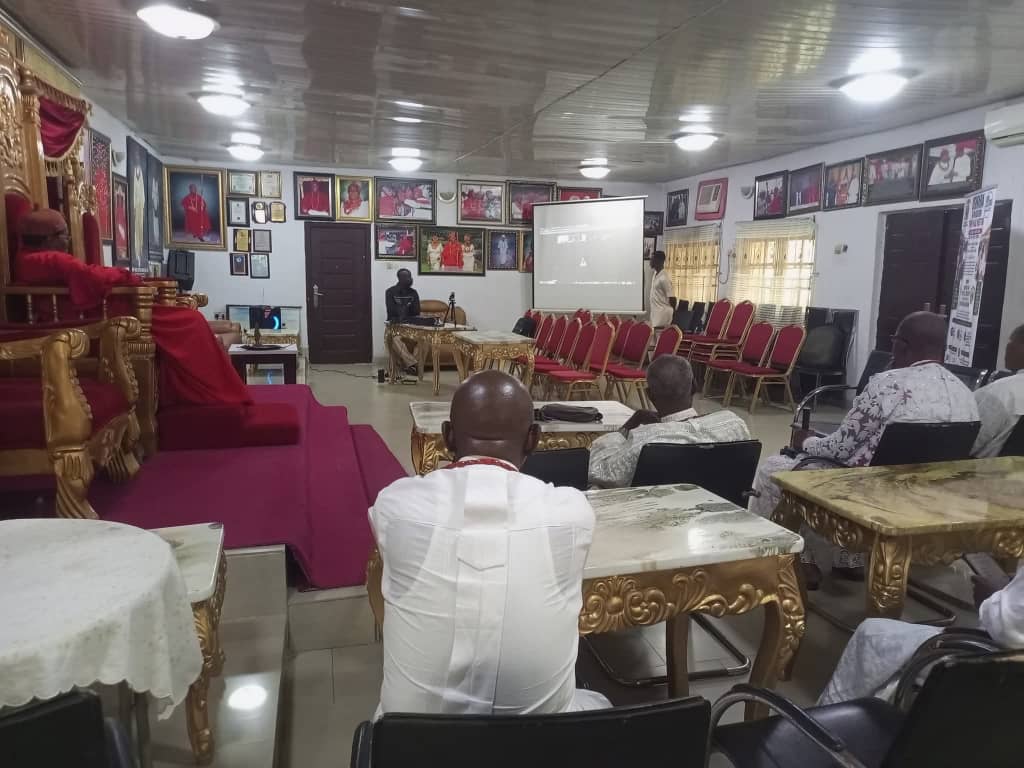
The Oghara Study Group, in partnership with the Palace of the Ovie of Oghara Kingdom, has completed a high-level webinar on police reform and plans to present community-based suggestions to the Presidential Working Group on the National Policing Bill.
In a press release signed by Rev. David Ugolor and Prof. Charles Eghweree, Co-Conveners of the Oghara Study Group and made available to the media in Kaduna today, the organization celebrated the successful conclusion of the Oghara Pre-Town Hall Webinar on State Policing Reform held on Thursday, August 13, 2026.
This webinar is part of preparations for the Oghara Stakeholders’ Town Hall Meeting on Security and Development, scheduled for Saturday, August 15, 2026.
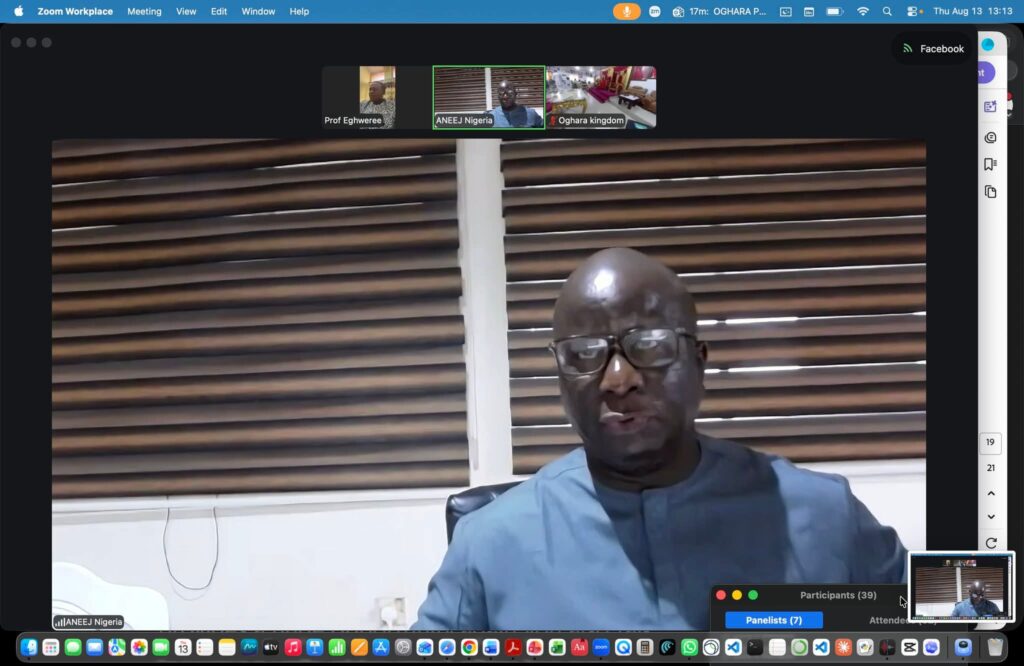
Under the theme “From Community Crisis to National Reform: Rethinking State Policing through the Oghara Experience,” the virtual event brought together traditional leaders, political figures, academics, civil society groups, policing experts, governance professionals, and community members to analyze Nigeria’s evolving state-policing system through Oghara’s experience with insecurity.
According to the statement, the initiative was created to move Oghara beyond mere expressions of concern and to enable the Kingdom to provide evidence-based, practical recommendations to the Presidential Working Group and the broader national consultation.
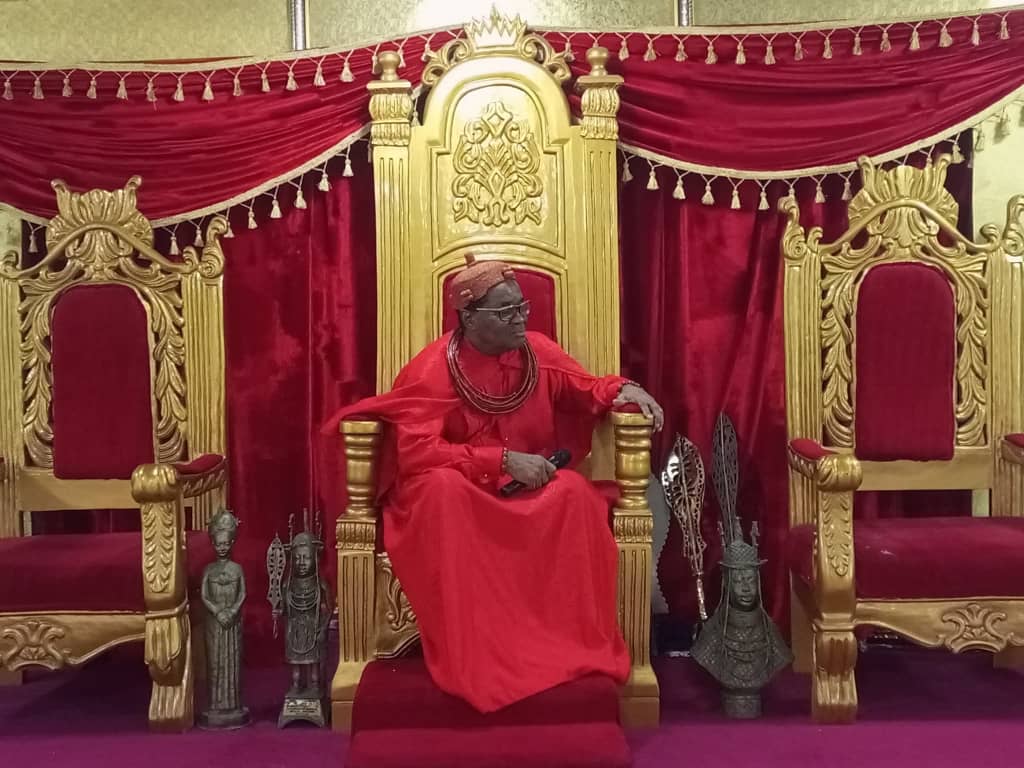
The webinar attracted distinguished participants. His Royal Majesty, the Ovie of Oghara Kingdom, offered the traditional and institutional support for the initiative.
His Excellency Chief James Onanefe Ibori, former Governor of Delta State, delivered special remarks, positioning the state-policing debate within the larger question of true federalism and encouraging Oghara to develop and submit its own stance to the national reform process.
Dr. Jacob Ighere, President-General of the Oghara Elite Forum, also spoke, emphasizing the need for a policing system that recognizes the diverse security realities of Nigeria’s communities.
OSG expressed satisfaction in hosting experienced civil society and governance experts, including Dr. Sonia Warner, an international development and policing specialist and former FCDO staff; Dr. Uche Igwe, a public policy and governance analyst; Mr. Okechukwu Nwanguma, Executive Director of the Rule of Law and Accountability Advocacy Center (RULAAC); Olumayowa Olaniyi, representing CLEEN Foundation; and Prof. Charles Eghweree, a political scientist and Co-Convener of OSG.
Their insights addressed community policing, institutional accountability, human rights, local intelligence, public trust, sustainable funding, professional standards, and the dangers of political capture.
A key takeaway from the webinar, the statement noted, was that “the creation of state police should not be mistaken for police reform.” While participants agreed that decentralizing policing can bring security closer to communities and enhance the use of local knowledge, they cautioned that without proper safeguards, a new state-level system might replicate current weaknesses or introduce new risks of political influence, impunity, and abuse.
The webinar therefore called for state policing to be designed as a professional public service that is responsive to citizens, rooted in local knowledge, respectful of human rights, and subject to effective democratic accountability.
Participants reached consensus on 10 key areas, including constitutional and statutory safeguards against political, ethnic, religious, and sectional capture; independent civilian oversight and complaints mechanisms with investigative and sanctioning powers; merit-based recruitment, vetting, and continuous training; strong protection of human rights and due process; clear rules on firearms and use of force; transparent and sustainable funding; meaningful participation of traditional institutions, civil society, women, youth, and farmers; reliable community intelligence systems; independent monitoring of public confidence; and a phased, evidence-based approach to implementation.
The webinar also examined Oghara’s specific challenges, including kidnapping, violent attacks, threats to farmers and livelihoods, drug-related risks, and insufficient follow-up and accountability.
Participants emphasized that insecurity in Oghara impacts freedom of movement, farming, food security, economic activities, education, investment, healthcare, and overall well-being.
After the webinar, OSG stated it will collaborate with the Palace and stakeholders to consolidate the recommendations into an Oghara Declaration on Security and Development and a Policy Memorandum on the National Policing Bill.
The memorandum will call for constitutional protection of political neutrality and human rights, independent civilian oversight, clear recruitment and training standards, transparent funding, strict firearms control, defined federal-state police relations, institutionalized community involvement, and measures linking security reforms to youth employment and livelihood protection.
The recommendations will directly inform the Oghara Stakeholders’ Town Hall Meeting on Security and Development scheduled for Saturday, August 15, 2026, which will include broader consultation with traditional institutions, women, youth, farmers, professionals, businesses, and community leaders.
The final Oghara Declaration and Policy Memorandum will then be submitted to the Presidential Working Group.
“The ultimate objective is not simply to establish another layer of policing, but to help build a security system that protects citizens, earns public trust, respects rights, uses local knowledge, prevents impunity, and makes government more accountable,” said the statement signed by Rev. Ugolor and Prof. Eghweree.
“The Oghara experience demonstrates that communities affected by insecurity should not remain passive victims. They can become active partners in designing solutions and shaping national policies that impact their future,” it added.


