

World Sickle Cell Day: Center Advocates for Skill Empowerment for Sickle Cell Patients
From: Divine Macaulay and Femi Mustapha
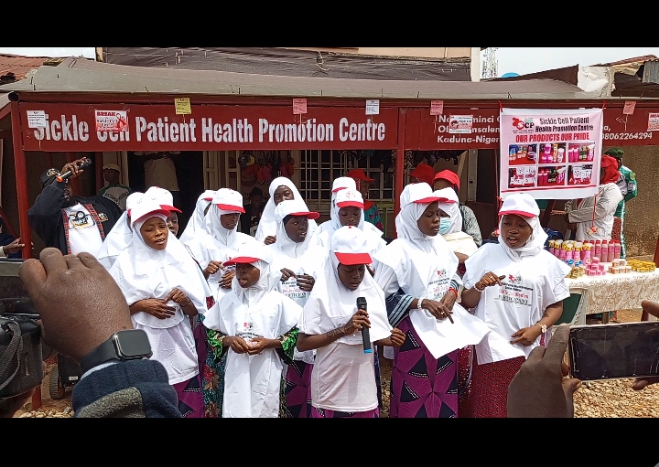
In a heartwarming and empowering celebration of World Sickle Cell Day, themed “Global Action, Local Impact: Empowering Communities for Effective Self-Advocacy,” the Sickle Cell Promotion Health Centre in Badarawa, in Kaduna North Local Government Area hosted an event aimed at raising awareness about sickle cell disease and equipping patients with valuable life skills through a series of specially designed training workshops.
Observed annually on June 19, World Sickle Cell Day highlights the struggles faced by millions living with sickle cell disease (SCD), a genetic blood disorder that causes chronic pain, anemia, and other serious health complications. This year’s theme focused on “Empowerment Through Skills: Living Beyond the Diagnosis.”
In Badarawa, a large gathering took place at the Sickle Cell Promotion Health Centre, where patients participated in skill acquisition workshops, including bead making, the production of shampoos, liquid soaps, curry powder, herbal ointments, Vaseline, and bag making.
The initiative aimed to provide patients, particularly the youth, with a sense of independence and purpose.
Hajiya Badiyya Magaji, the founder of the Sickle Cell Promotion Health Centre, affectionately known as “Mama Sickler,” shared during her opening remarks that three years ago, a young patient approached her in tears after losing three suitors due to her illness. Moved by her plight, Mama Sickle decided to introduce skill acquisition programs at the center, hoping to instill a sense of purpose in her patients.
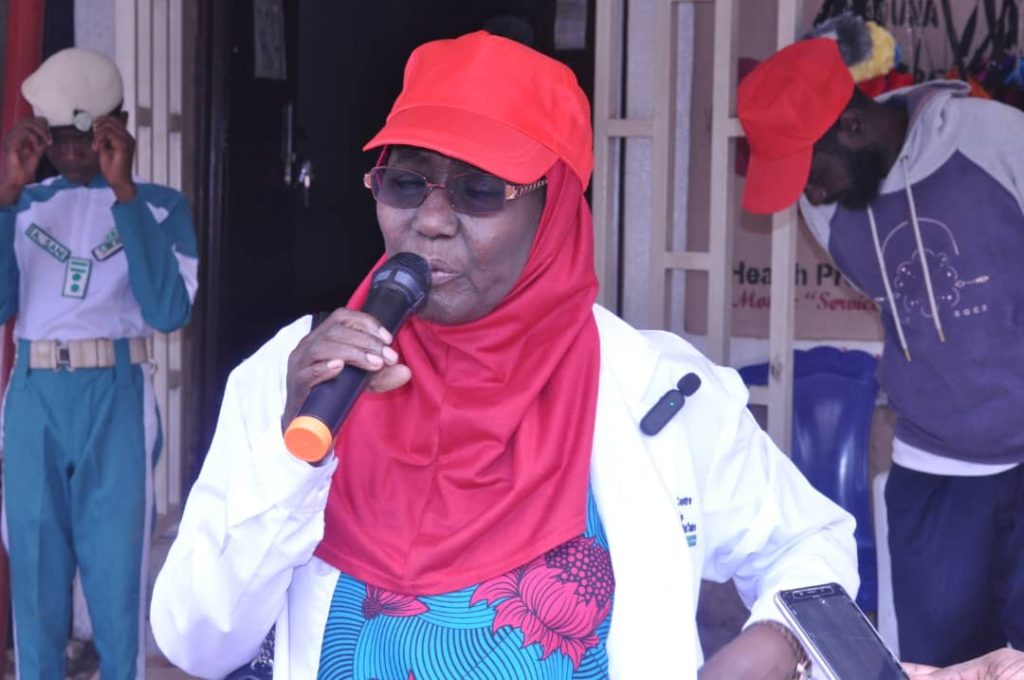
“I believe in treating beyond the disease. These young individuals deserve a future they can shape with their own hands. Skill acquisition is key to ensuring their financial and emotional stability,” she stated.
According to Mama Sickle, participants were categorized based on their areas of interest and were instructed by former patients who have successfully become entrepreneurs in their respective fields. This approach has helped the patients grow professionally while remaining mindful of their health.
She emphasized that many patients come from underprivileged backgrounds, and skill development allows them to rise above their circumstances and contribute meaningfully to society. “Managing sickle cell requires a lot of rest and flexibility. These skills will enable them to work at their own pace, free from stigma in the workplace,” she added.
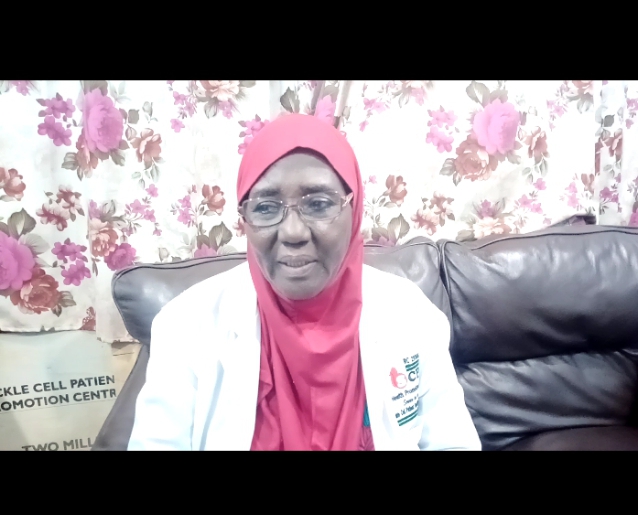
Dr. Mathias Bodam Yashim, the founder and executive director of Hope Builders International Consult Ltd (also known as Hope Builders Foundation), attended the event and shared how his experience there changed his perspective. He recounted losing both his elders and two younger siblings to sickle cell disease.
“I could have been one of those who are no longer here, but I am alive and grateful for life,” he said. Dr. Yashim noted that he has been part of this vision for the past three years and was fortunate to present an award of excellence to Mama Sickle last year.
He called for support from all well-meaning individuals, emphasizing that those involved in humanitarian work should empower individuals to become self-sufficient rather than foster dependency.
Dr. Yashim also stressed the importance of genotype testing and urged people to take it seriously. “If you don’t know your genotype, get tested, especially if you are not yet married. If both partners are not compatible, do not proceed with the marriage. It could lead to a horrible experience,” he warned. He cautioned against relying on technology for genetic traits of children, stating that there is currently no cure for sickle cell disease.
He urged Nigerian professors and pharmaceutical experts to research sickle cell disease, asserting that it is disproportionately prevalent among black individuals. “We need to prioritize this issue; we may need policies in our constitution and places of worship that prohibit marriages without documented proof of genotype compatibility from a licensed hospital,” he concluded.


