

UNICEF Chief hails Kaduna education transformation
By:Femi Mustapha
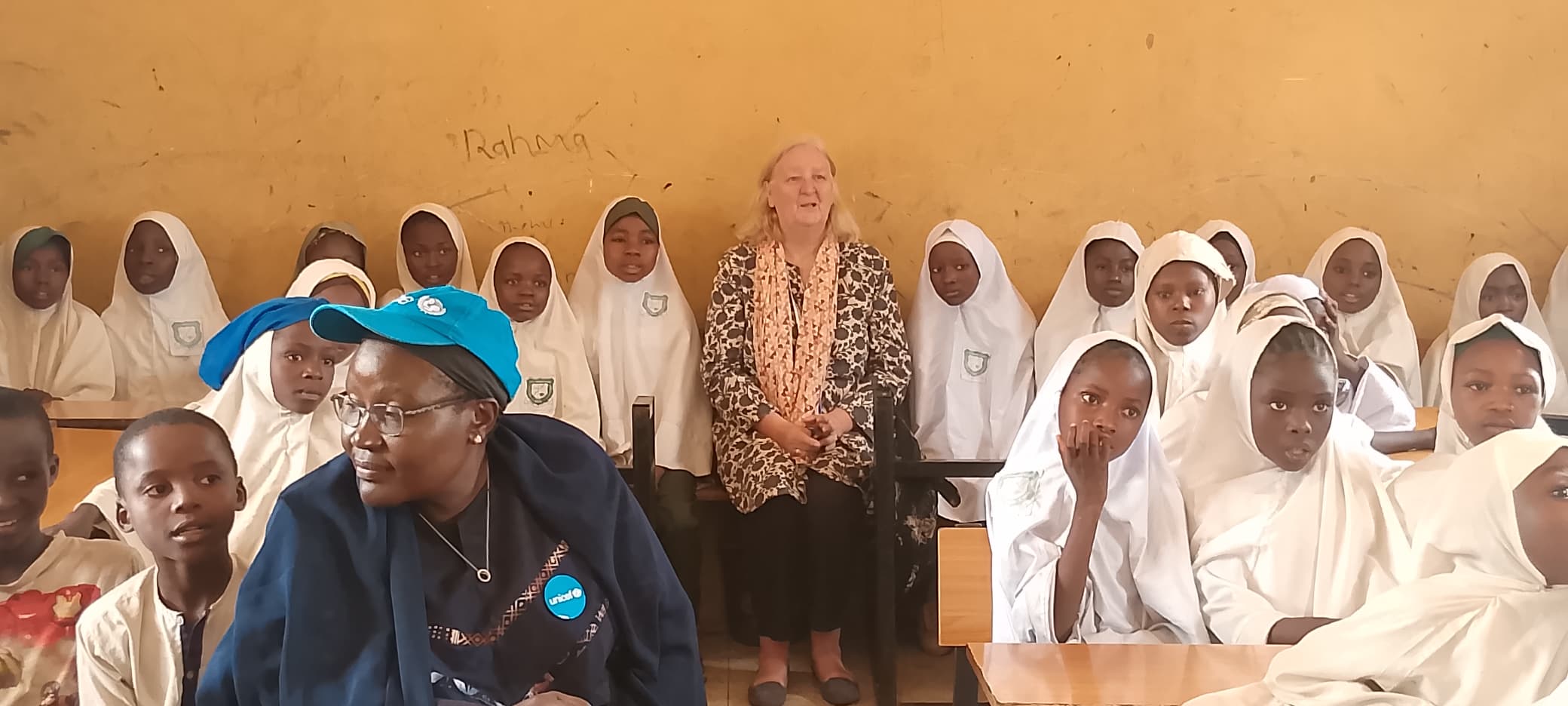
The United Nations Children’s Fund( UNICEF) Chief of Education for Nigeria, Vanessa Lee, has on Thursday, commended the Kaduna State government for its efforts in transforming the education sector.
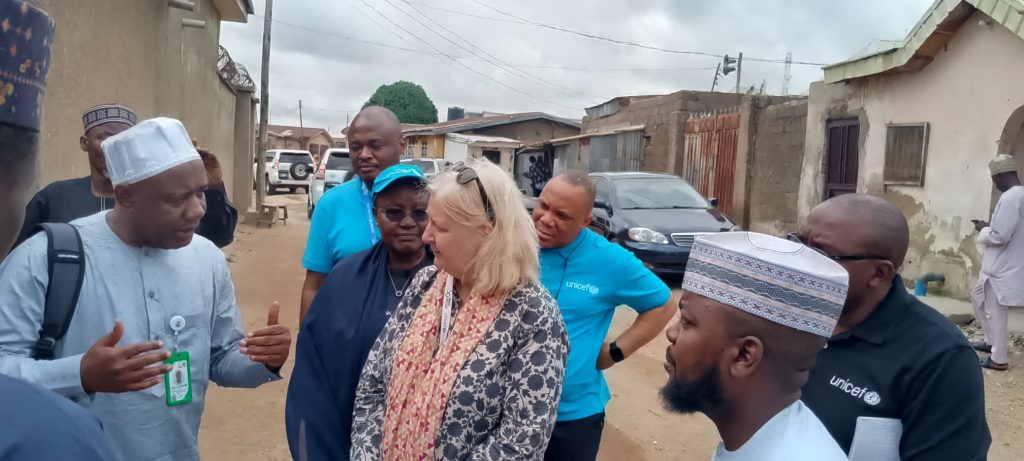
Lee, who came to Kaduna for the ongoing two-day International Education Summit, “KADAEduPact 2025”, made the commendation while on a field visit to some selected schools to assess UNICEF’s interventions.
She visited a Government Junior Secondary School, Kakuri, a pilot for the Teaching at Right Level (TaRL), Alhuda Charity Islamiya School Kwaru, Badarawa (An integrated Quranic school), LGEA Primary School Lokoja Road, Rigasa. She was impressed by the government’s efforts to improve education.
She expressed her enthusiasm for the state’s progress, highlighting the enthusiasm and motivation of teachers.
The UNICEF education chief observed that the state’s education system has many good teachers who are enthusiastic and motivated, which is crucial for children’s learning.
She, however, noted that infrastructure, textbooks, and furniture were areas that require attention.
Lee, however, expressed excitement to hear about the state’s plans to scale up teaching programs, including TaRL and early childhood programmes.
She praised the state’s adoption of innovative models, such as the learning lab, which focuses on teachers’ professional development.
She also commended the use of radio for teaching basic literacy and numeracy in integrated Quranic schools.
Lee highlighted the importance of a digitalised data system in helping the state’s education sector develop and make a difference for children.
She expressed hope for the future of education in Kaduna, citing the state’s knowledge of the challenges it faces and its efforts to address them.
She emphasised the importance of teacher training and professional development, highlighting the Nigerian Learning Passport, an online learning platform that provides teacher modules and learning programs for children.
“I am excited to hear about special classes for children who haven’t been to school, which aim to bring them back into the education system”.
The UNICEF education chief suggested that every school in Kaduna could adopt the model, providing a one-year special program for literacy and numeracy.
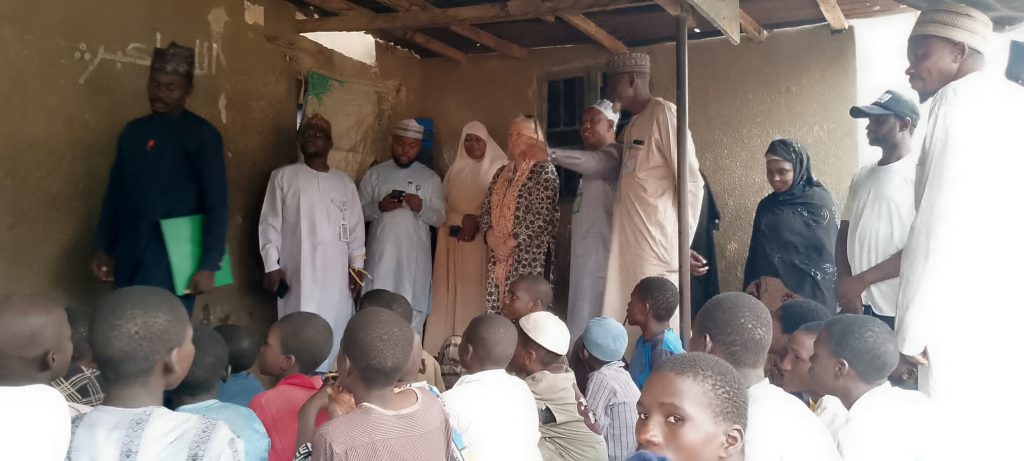
Mubarak Muhammad, the Acting Executive Chairman of Kaduna State Universal Basic Education Board (KADSUBEB), discussed the integration of formal education into Islamiyah schools.
He highlighted the collaboration with UNICEF to ensure children receive basic literacy and numeracy skills without leaving any child behind.
Muhammad said that KADSUBEB is working to bring basic literacy and numeracy to all children including those at Islamiyah schools.
He disclosed that he had made a presentation to the state Executive Council meeting advocating to embed TaRL into the schools’ curriculum, emphasising that it is one of the programmes that would address learning poverty.
“Radio-recorded lessons are being used to teach children three times a week, complementing their Quranic education. TaRL, a remediation program adopted by the Kaduna State government, has shown tremendous progress in improving learning outcomes among kids.
“TaRL is currently being implemented in nine local governments, targeting primary four to six learners, with plans to expand to junior secondary schools.
“The program has demonstrated significant improvement in learning outcomes, with noticeable progress in just eight weeks,” he said.
Muhammad emphasised the importance of scaling up the initiatives to reach more children across the state, ensuring every child has access to quality basic education.
He restated the KADSUBEB’s commitment to creating an inclusive learning environment, working closely with educators, partners, and stakeholders to build a strong foundation for the children’s future in the state.
Phibi Audu, the Principal of Government Junior Secondary School Kakuri, a pilot school for the TaRL, said they began TaRL eight weeks ago, and it is going well, right where the teachers and students are.
“Before the TaRL programme was introduced to the school, students came in from primary school and could not even identify letters,” she said.


